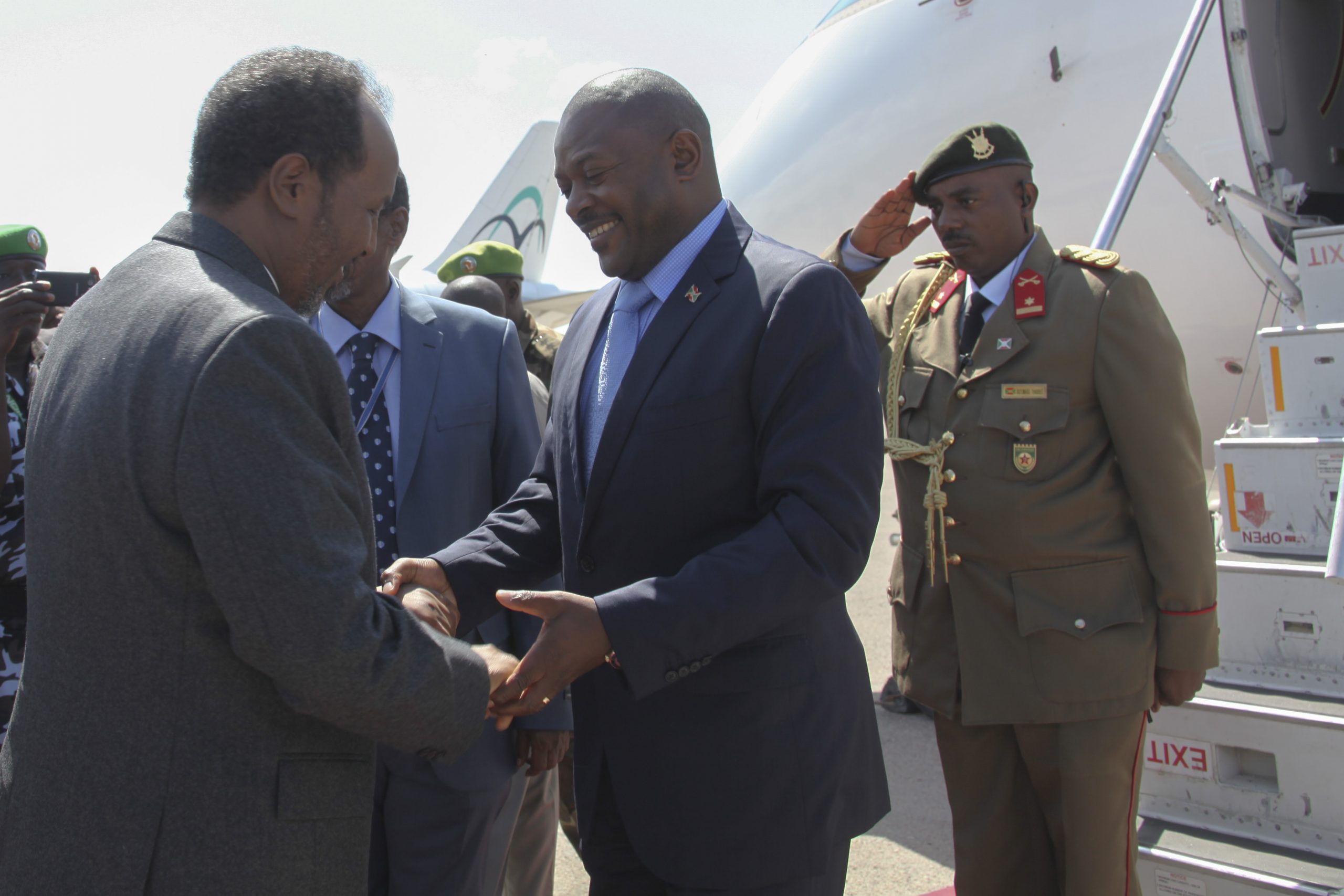
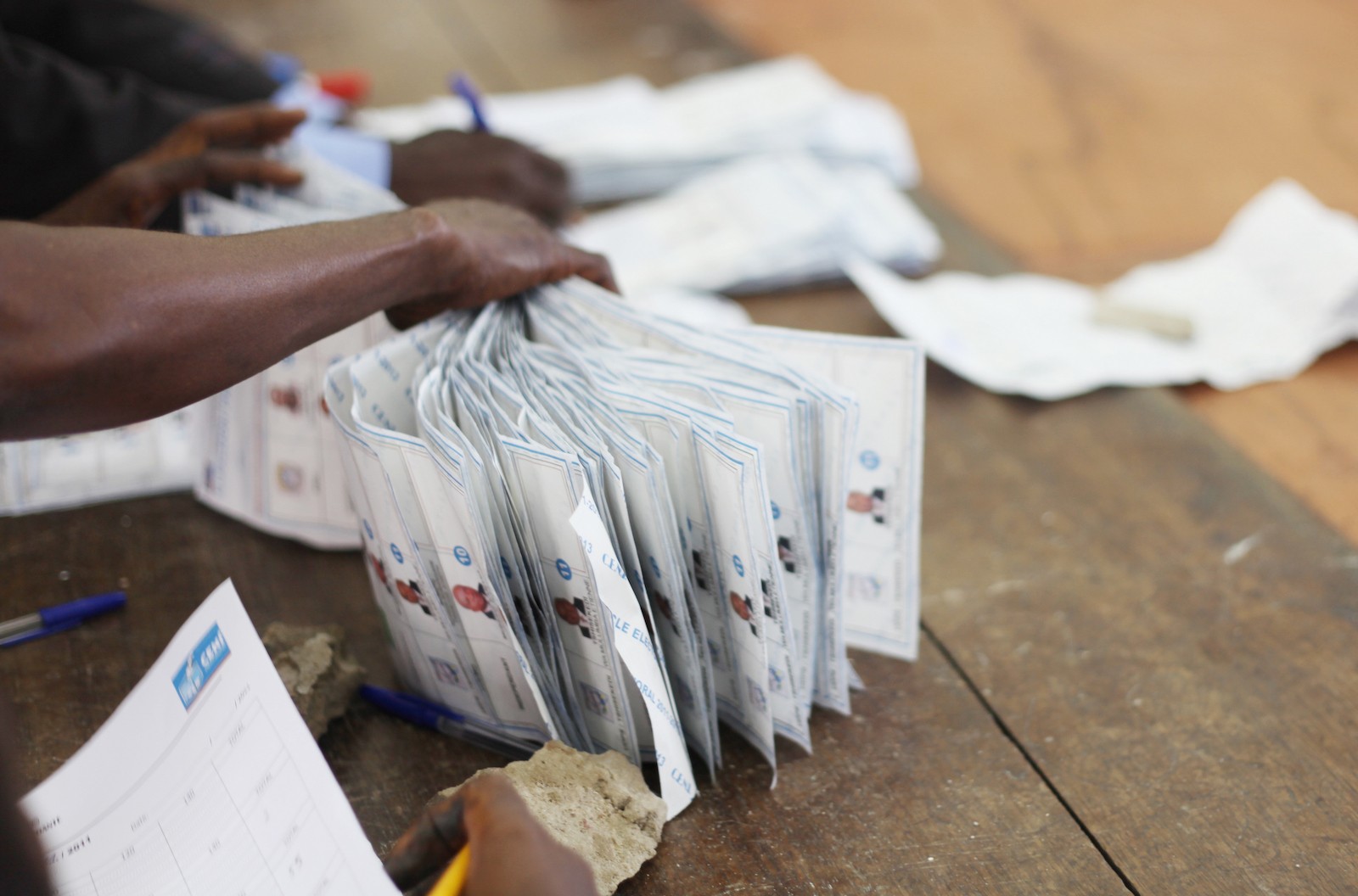
In Burundi political power has become increasingly concentrated in the hands of the president and the ruling party CNDD-FDD. Political participation is severely constrained by systematic repression of opposition figures, journalists and civil society actors. Serious human rights violations, including intimidation, illegal detentions and killings, are committed with impunity by the National Intelligence Service and government-affiliated groups. Democratic institutions exist, but effective checks on executive power are largely absent.
Economically, Burundi recorded moderate growth, indicating limited recovery. However, high inflation and a heavy external debt burden continue to undermine socio-economic development. The state maintains strong control over key economic sectors and state-owned enterprises, limiting competition and market dynamics. External shocks have further constrained economic performance.
In terms of governance, relations with international donors have improved following the lifting of sanctions. Development assistance has expanded, but increased aid dependence has heightened fiscal vulnerability. The security situation remains volatile, particularly near the border with the Democratic Republic of Congo.