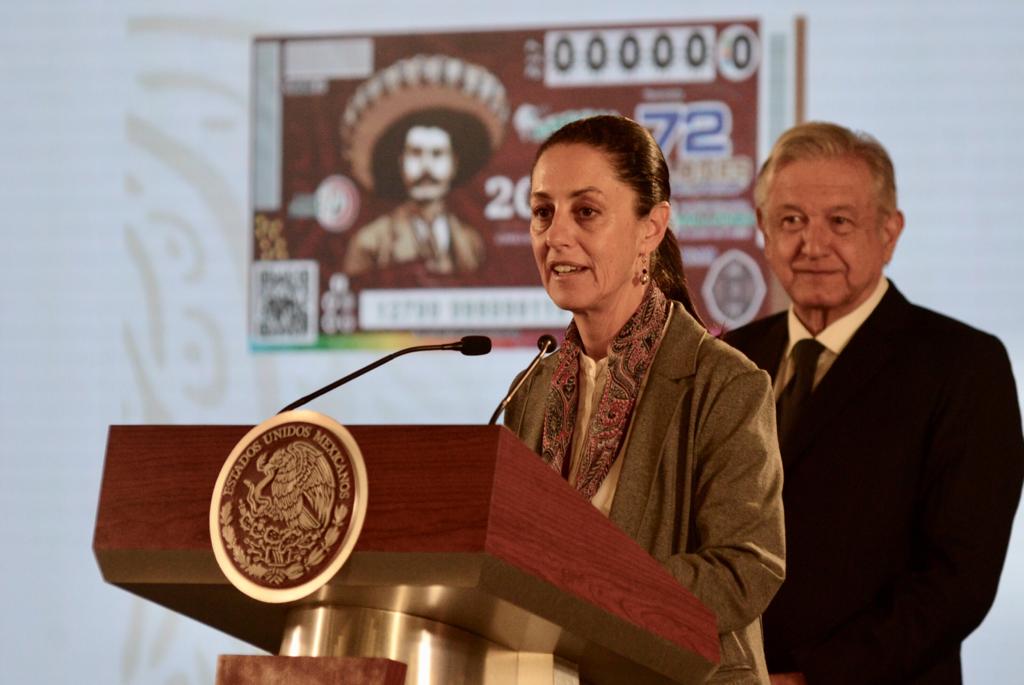
The 2024 elections marked a major shift, with Claudia Sheinbaum becoming Mexico’s first female president and the Morena-led alliance securing a dominant congressional majority. This enabled the approval of far-reaching constitutional reforms, including direct judicial elections, the dissolution of autonomous oversight bodies and the expansion of military involvement in internal security. These changes have increased executive power and weakened institutional independence. Corruption remains pervasive.
Economic growth has slowed. A large informal sector limits fiscal capacity, while dependence on fossil fuels complicates sustainability goals. Rising tensions with the United States and uncertainty surrounding the 2026 review of the free trade agreement with Canada and the United States pose additional risks.
Governance has become increasingly centralized. Drug cartels and organized crime groups continue to exert significant territorial control, contributing to persistently high homicide rates and undermining law enforcement. Relations with the United States have become more strained, as Washington increases pressure on Mexico to curb migration and drug trafficking.