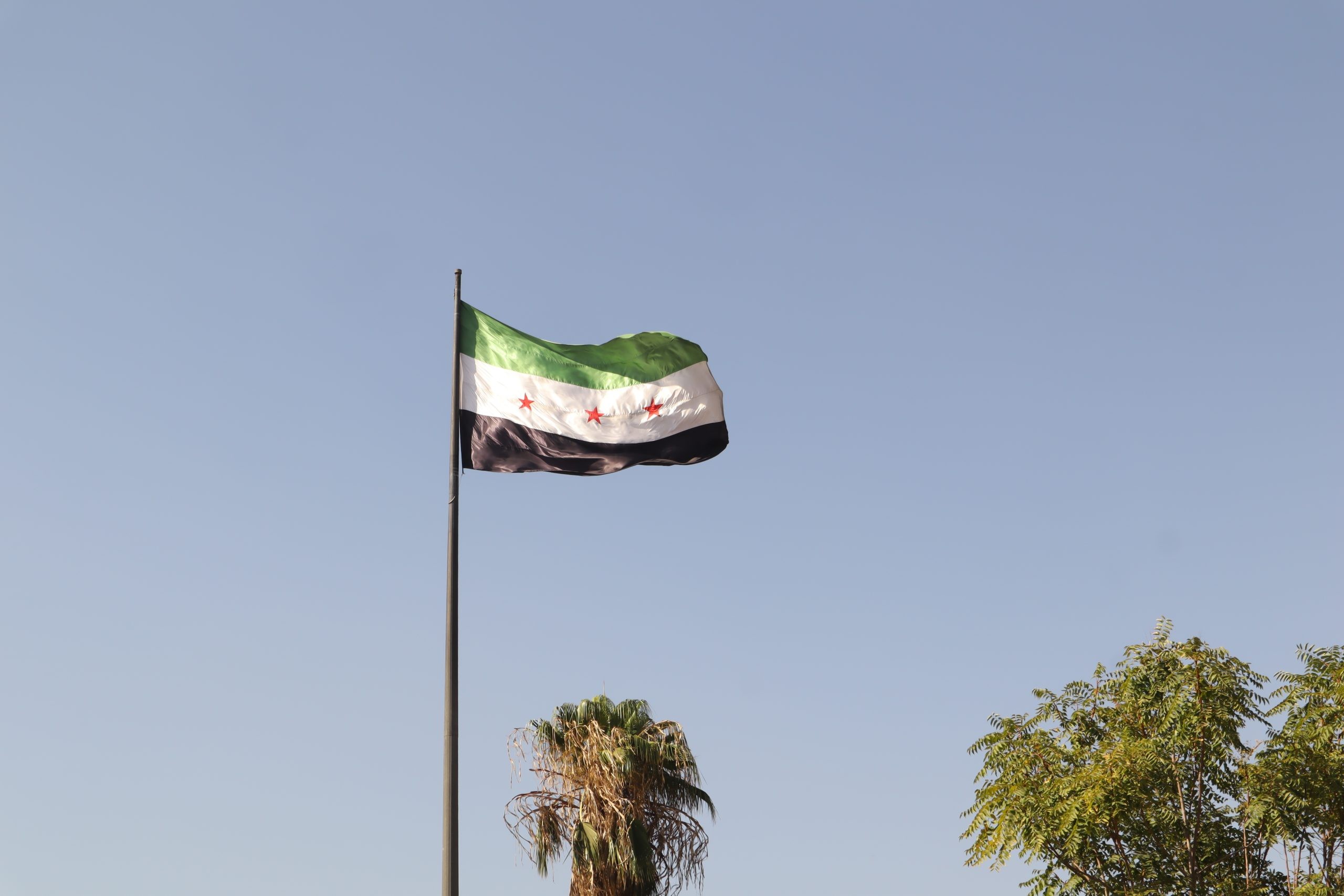
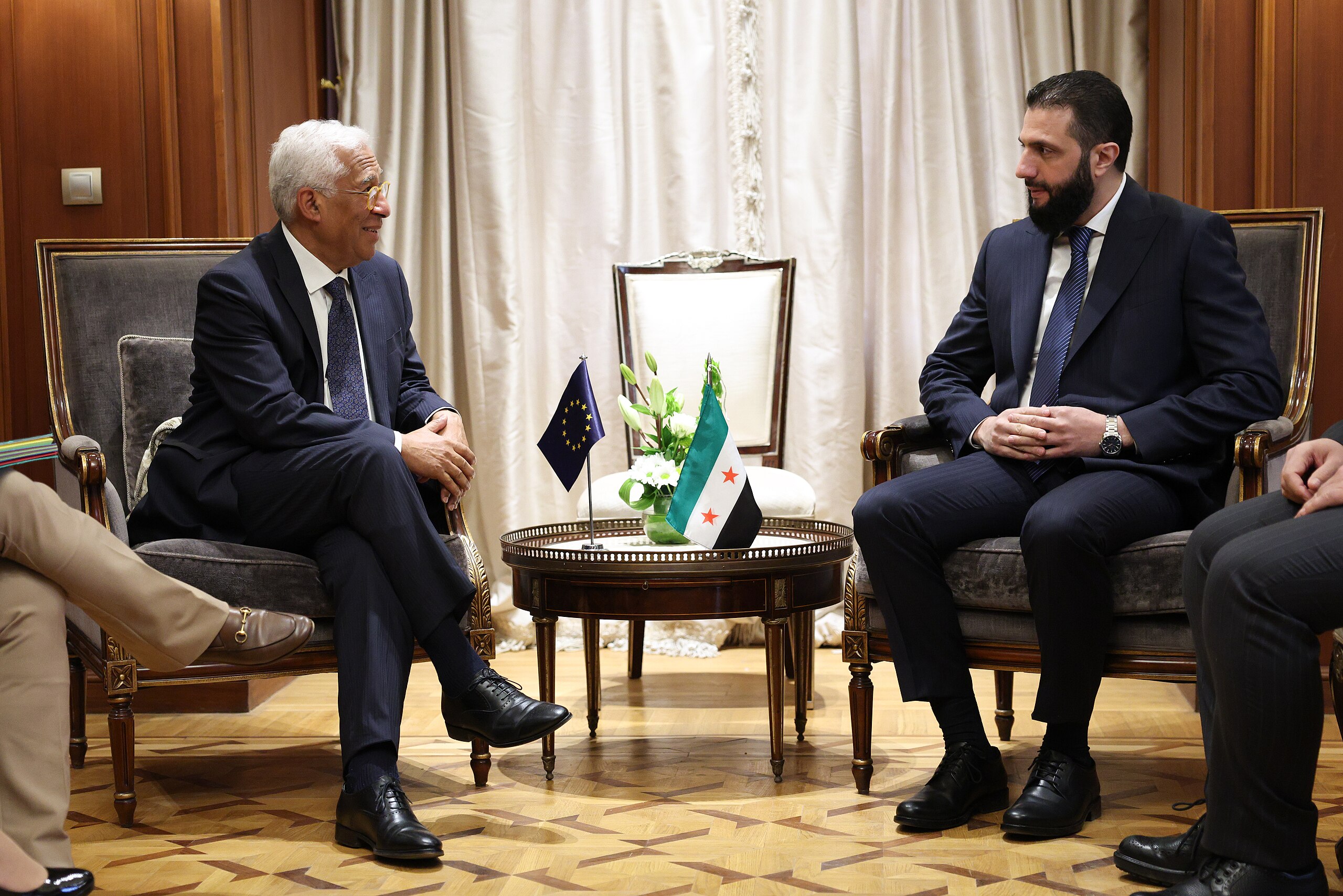
Syria experienced a profound political shift after the Islamist coalition Hay’at Tahrir al-Sham rapidly seized major cities in late 2024, ending the rule of Bashar al-Assad. Ahmad al-Sharaa assumed the transitional presidency, dissolved the parliament and suspended the constitution, but the country remains fragmented. Kurdish-led forces under the Syrian Democratic Forces and Druze communities continue to pursue decentralized arrangements, while displacement, insecurity and unresolved accountability issues hinder political stabilization.
Economic collapse persists, with more than 90% of the population living in poverty and widespread destruction across key sectors. The transitional government signaled a market-oriented approach and sought regional investment, yet reconstruction needs are overwhelming. Rehabilitation of the energy sector and contested reforms of school curricula illustrate the scale of economic challenges.
Governance remains severely constrained. Security is undermined by clashes between the Türkiye-backed Syrian National Army, Kurdish-led forces and remaining cells of the so-called Islamic State group. Administrative reforms have begun, but transitional justice shows limited progress. Shifting external alignments and ongoing territorial pressures further complicate effective governance.