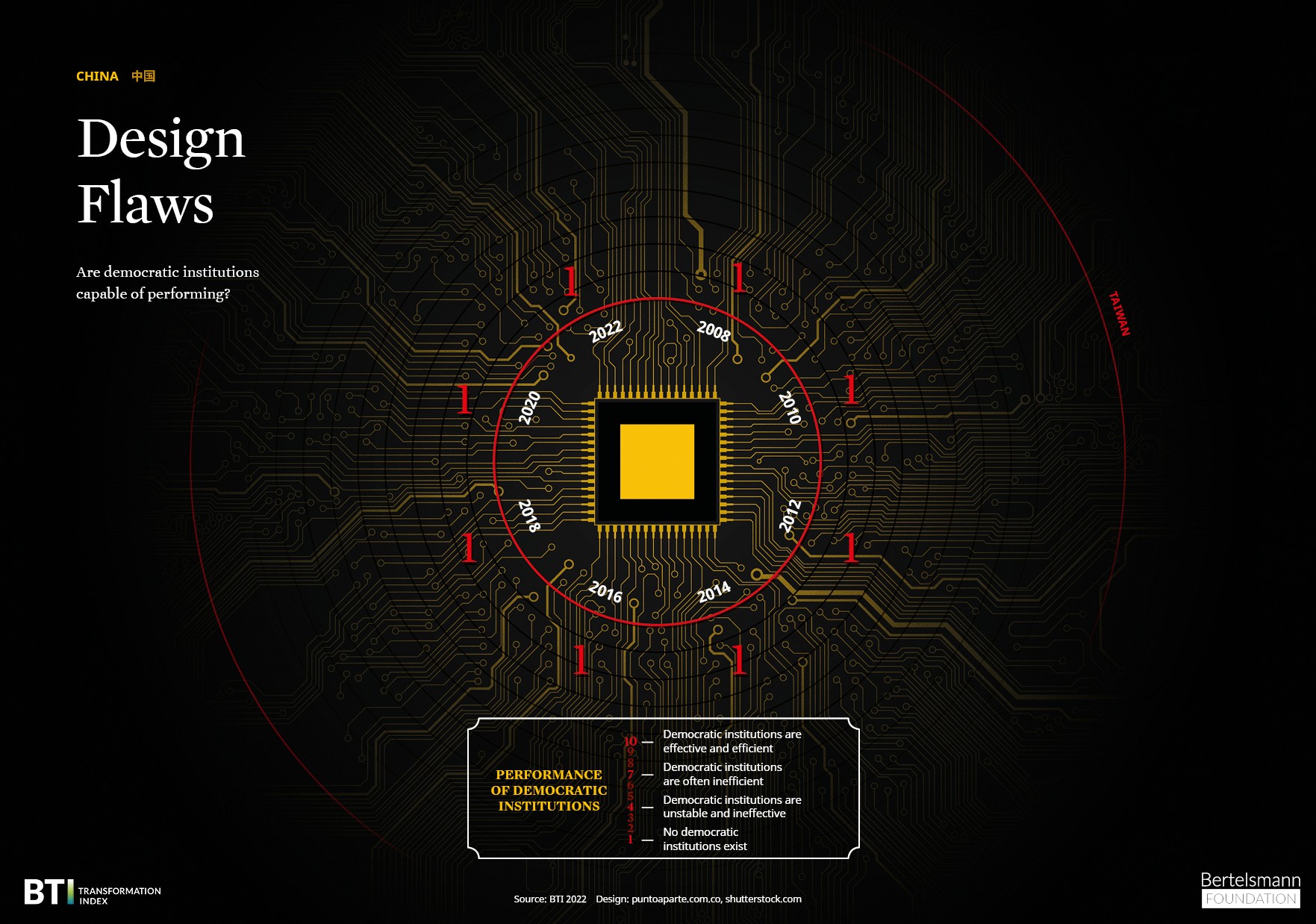
Taiwan’s government successfully steered a course of stability and economic resilience in an increasingly difficult international environment. Cross-strait tensions continued to define Taiwan’s political landscape, as China intensified military, cyber and diplomatic coercion. Domestically, President Lai faced escalating gridlock after the 2024 elections, with a KMT–TPP majority imposing deep cuts to the 2025 defense budget and advancing controversial constitutional changes.
Economic prospects were shaped by global uncertainty, particularly the risk of U.S. tariff policies affecting the semiconductor sector, Russia’s war against Ukraine and economic downturns in mainland China. However, Taiwan’s highly developed market economy proved to be resilient and a strong performer despite global disruptions. Broader macroeconomic vulnerabilities persisted, leaving Taiwan exposed to external shocks.
This strong economic performance allows Taiwan to maintain one of Asia’s most comprehensive welfare systems, offering strong social protections. Governance pressures increased as legislative obstruction continued and rivalry among the DPP, KMT and a weakened TPP fueled polarization and public frustration. The TPP’s credibility was damaged by a corruption scandal, limiting its stabilizing role and reducing prospects for cooperation, which are essential for legislative efficiency.