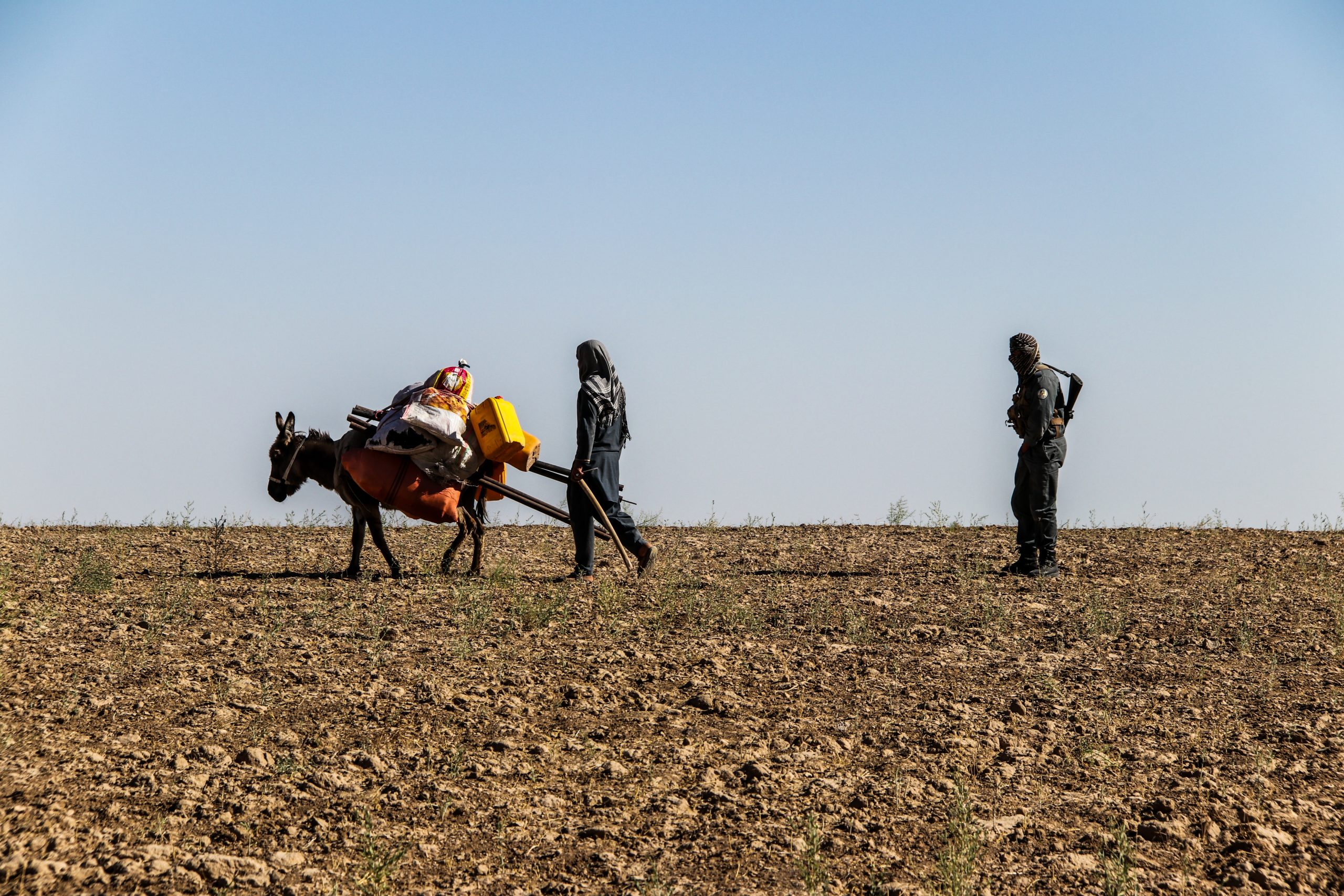
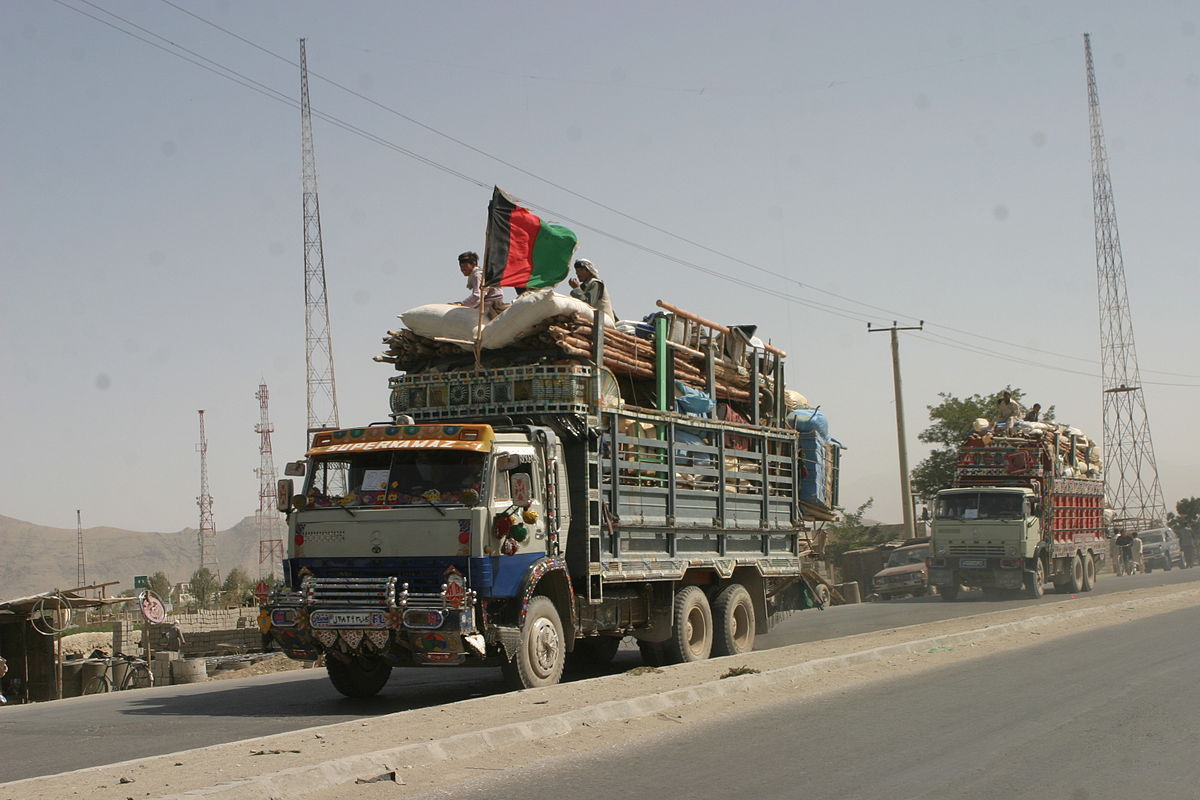
Since August 2021, Afghanistan has been governed by the Taliban, who consolidated their rule during the review period and established a closed theocratic system. All political rights and civil liberties guaranteed under the former constitution have been eliminated. State institutions remain under firm Taliban control, with key positions held by members of the ruling elite, while some technical and lower-level administrators from the previous regime continue to operate. Women’s freedom of movement and expression has been severely restricted, and the media has been brought under strict ideological control, contributing to high levels of emigration among educated and skilled citizens.
Economically, Afghanistan remains highly vulnerable. State revenues are partly generated through local tariffs and businesses, but the economy is heavily dependent on international humanitarian assistance. Widespread poverty, limited economic opportunities and the absence of basic socioeconomic security continue to shape daily life for large parts of the population.
In terms of governance, the Taliban sought to strengthen domestic legitimacy by promoting their version of security, but these efforts were undermined by persistent Islamic State group attacks and severe socioeconomic hardship. Internationally, the Islamic Emirate of Afghanistan has not received formal diplomatic recognition. While several countries reopened embassies in Kabul, none recognized the regime as a sovereign authority.