Bhutan held its fourth national elections, reflecting stable political competition and orderly institutional processes, although ideological differences between the parties remain limited. The People’s Democratic Party secured a majority, while the Bhutan Tendrel Party assumed the role of the opposition. The outgoing Druk Nyamrup Tshogpa lost support, partly due to public dissatisfaction with pandemic measures and administrative reforms. The election continues a pattern of frequent changes in government since 2013.
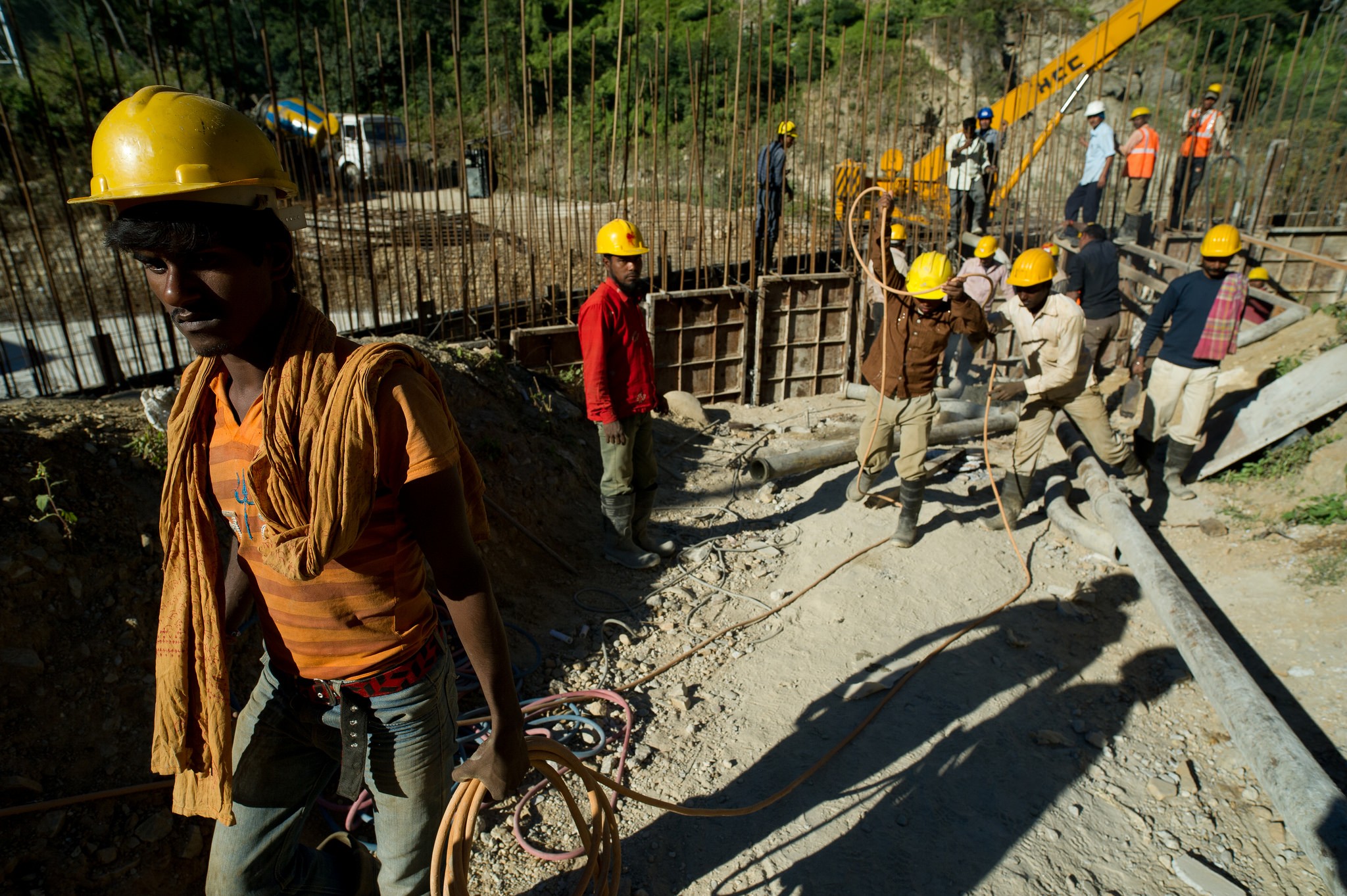
Economic development has been supported by the expansion of hydropower, investment initiatives and continued cooperation with India. New projects to promote foreign investment aim at broader diversification, as much of the economy remains agriculture-based. High external debt, limited access to capital, and the lingering effects of the pandemic constrain private sector growth and employment opportunities.
Governance capacity is strained by administrative attrition, declining remittances, and structural vulnerabilities. At the same time, Bhutan is expanding its international cooperation and maintains diplomatic relations with 56 countries. It is also intensifying its cooperation with the European Union and renewing border negotiations with China.