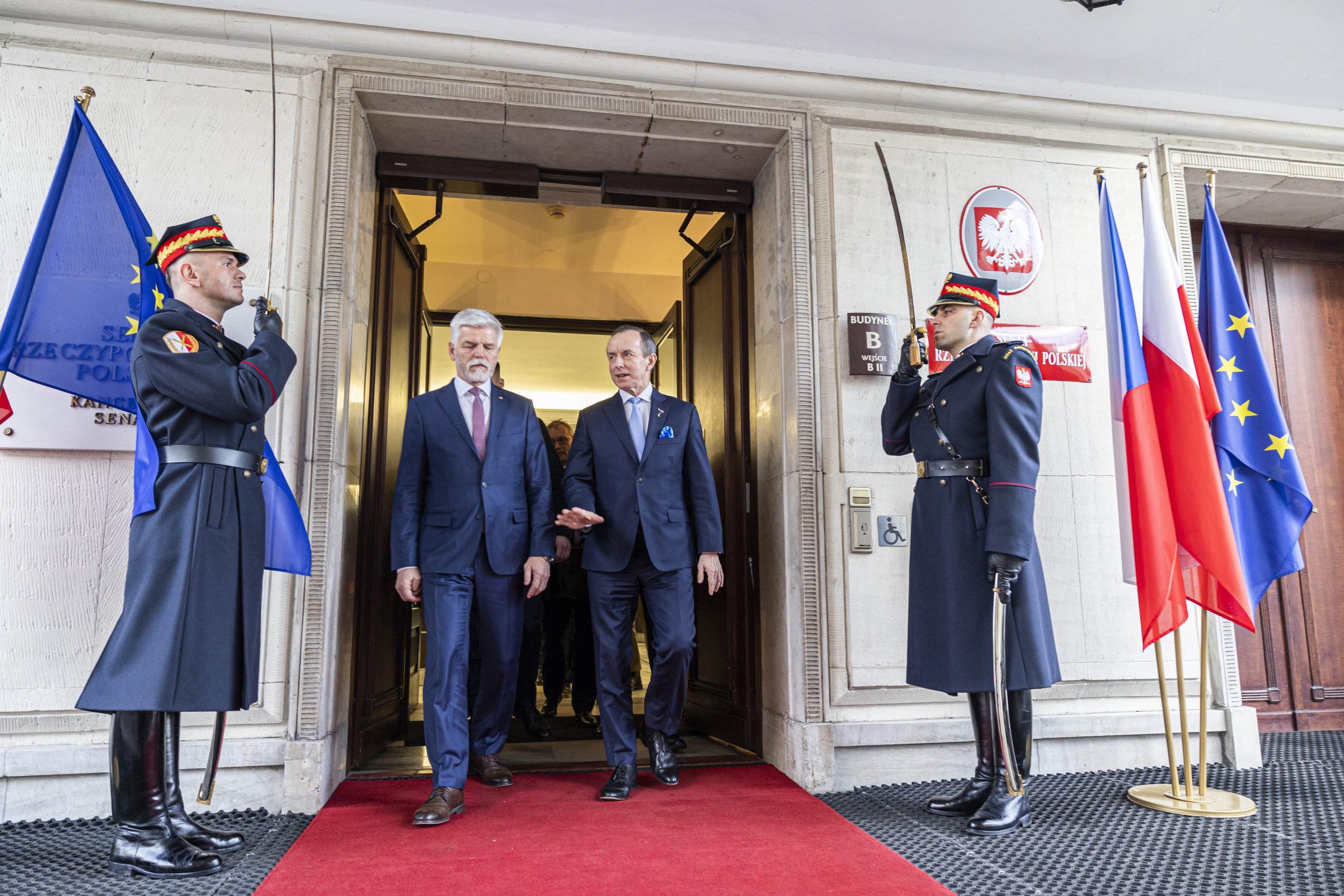
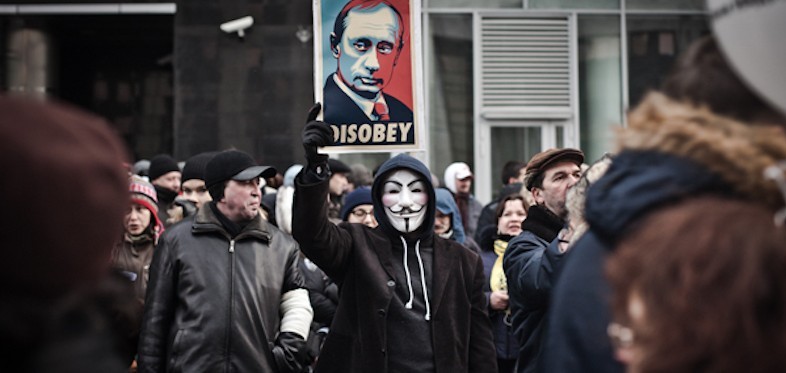
Czechia’s political transformation was shaped by rising social polarization. The election of President Petr Pavel marked a symbolic shift toward a predictable, pro-European and pro-NATO orientation. However, overlapping crises deepened societal divisions and facilitated the consolidation of populist, nationalist and Euroskeptic forces. Opposition dynamics remained fragmented, with Prime Minister Andrej Babiš and his party dominating an increasingly radicalized protest landscape.
Economic performance remained precarious. GDP growth stagnated, while inflation, high energy prices and rising housing costs reduced living standards, particularly among the middle class. Fiscal consolidation led to cuts in education and research spending, constraining long-term growth prospects. Refugee labor market integration progressed, though mostly below qualification levels.
Following Russia’s war against Ukraine, Czechia strengthened its role within the EU and NATO, diversified energy supplies and increased defense cooperation. Domestically, high mandatory spending and regulatory barriers continue to limit strategic steering capacity.