Hungary’s political transformation under Prime Minister Viktor Orbán continues to be shaped by autocratization and the consolidation of an illiberal regime. Since 2024, however, the party system has shifted with the emergence of the opposition party TISZA, led by Péter Magyar, a former Fidesz insider. The movement has surpassed the fragmented democratic opposition, mobilized former Fidesz voters and achieved strong results in the June 2024 European and local elections, despite a political environment that systemically favors the governing party.
Hungary’s economy remains under strain as the continued freeze of EU funds puts pressure on the state budget. Corruption and oligarchization distort market competition, while inflation, declining foreign investment and sustained brain drain weigh on economic performance.
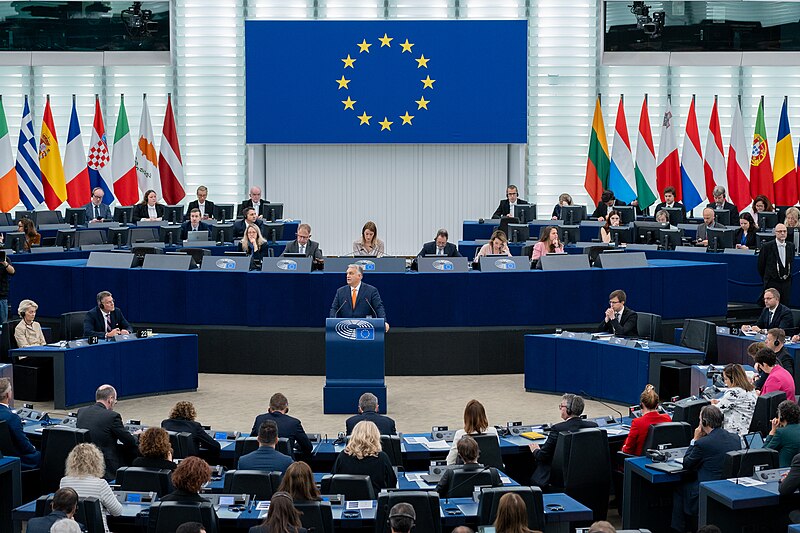
In governance terms, relations with Western partners have further deteriorated. The government has maintained close ties with Russia and China, intensifying conflicts with EU institutions. Hungary’s 2024 presidency of the Council of the European Union delivered limited legislative results.