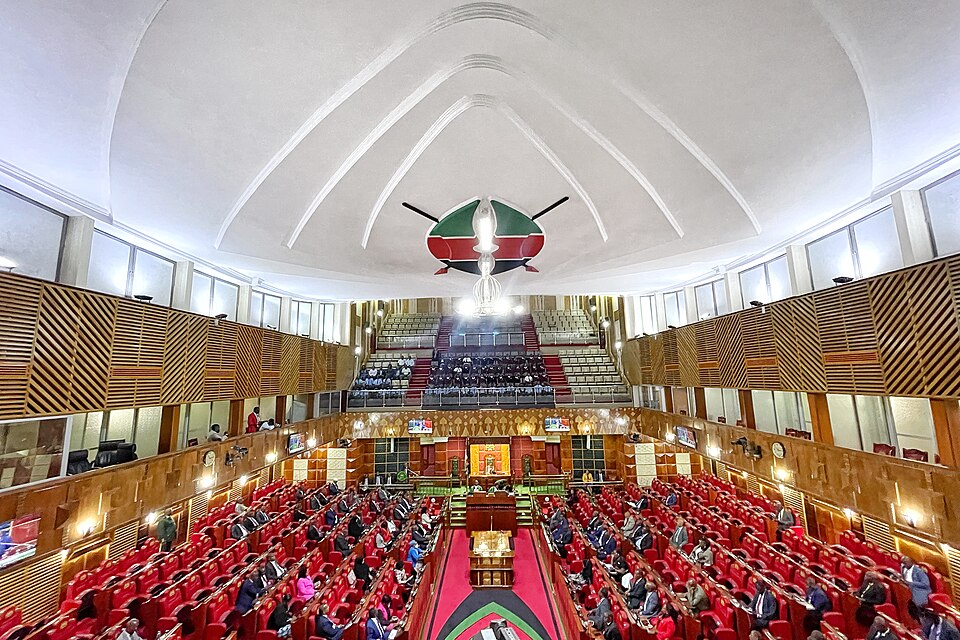
Kenya experienced significant political turbulence following the government’s attempts to address fiscal pressures through tax reforms. Mass protests against the Finance Bill 2024 escalated into nationwide unrest, culminating in the storming and burning of parliament. In response, President William Ruto dissolved his cabinet, while civil and political rights were increasingly curtailed through crackdowns on protesters and critics. Political instability deepened with the impeachment of Deputy President Rigathi Gachagua and the subsequent appointment of Kithure Kindiki, alongside the co-optation of opposition figures into government.
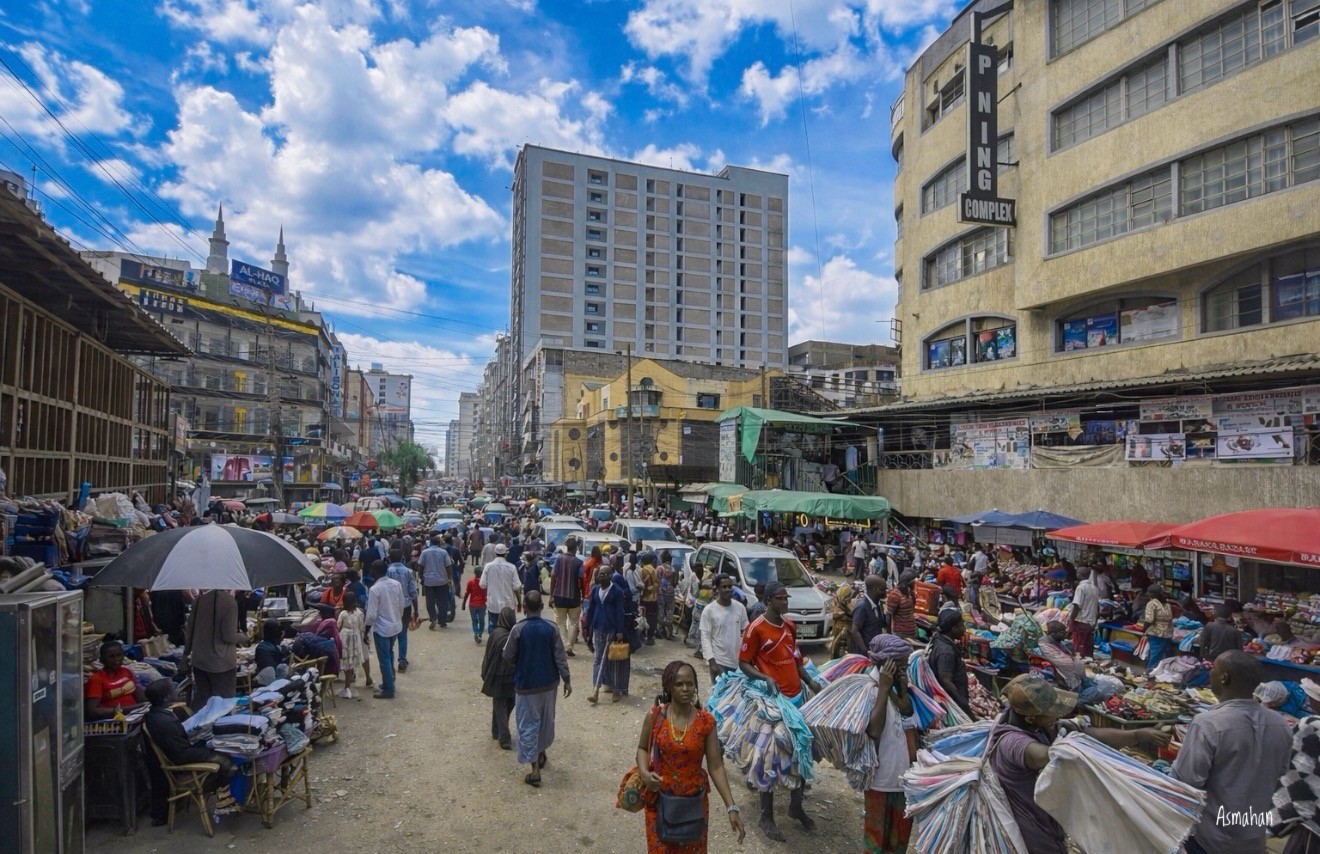
Economically, Kenya faced rising living costs and deteriorating performance. High public debt, inherited fiscal constraints and an inflated wage bill limited policy options. The government increased taxes and removed subsidies to stabilize public finances, exacerbating social discontent.
Governance was marked by reactive crisis management, political survival and elite realignment. Flagship initiatives such as the Hustler Fund to foster inclusive growth struggled due to operational weaknesses and high default rates.