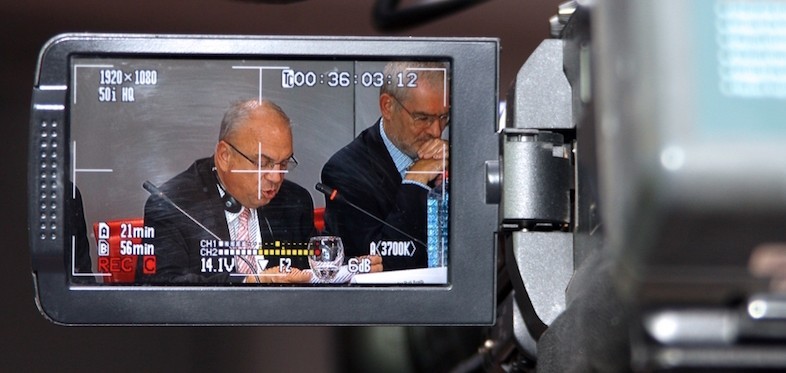
North Macedonia saw a decisive change in government in 2024, as voters shifted power to a conservative-nationalist leadership amid dissatisfaction with governance and stalled European integration. Further, Gordana Siljanovska-Davkova defeated incumbent Stevo Pendarovski in the presidential runoff. The new government under Hristijan Mickoski governs with coalition partners across ethnic lines, while the former ruling party suffered a severe electoral defeat. Political polarization persisted, limiting prospects for constitutional reform.
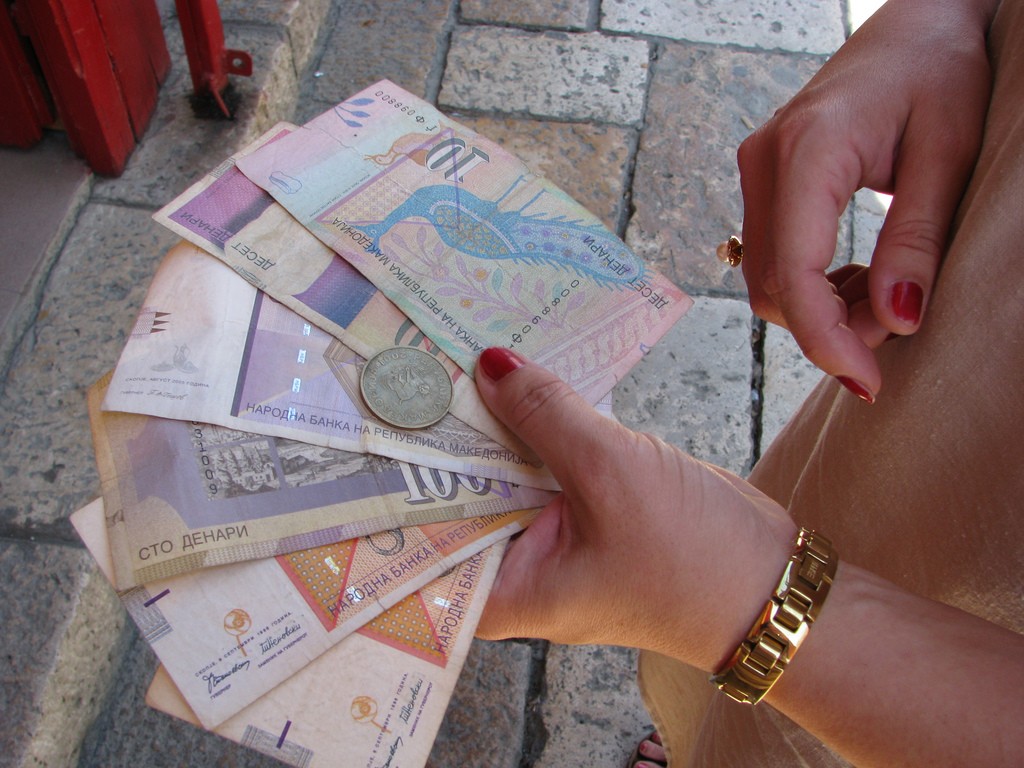
Economic conditions stabilized after a period of external shocks. Inflation returned to single digits, and GDP growth remained modest but positive. Minimum wage increases under the previous government supported consumption, while food prices stayed high amid weak price controls. A multi million dollar loan from Hungary with favorable interest rates improved short-term liquidity but increased external debt and fiscal risks.
Governance was shaped by stalled EU accession talks, which remained blocked by the unresolved dispute with Bulgaria. Corruption allegations against former governing elites continued to undermine institutional trust.