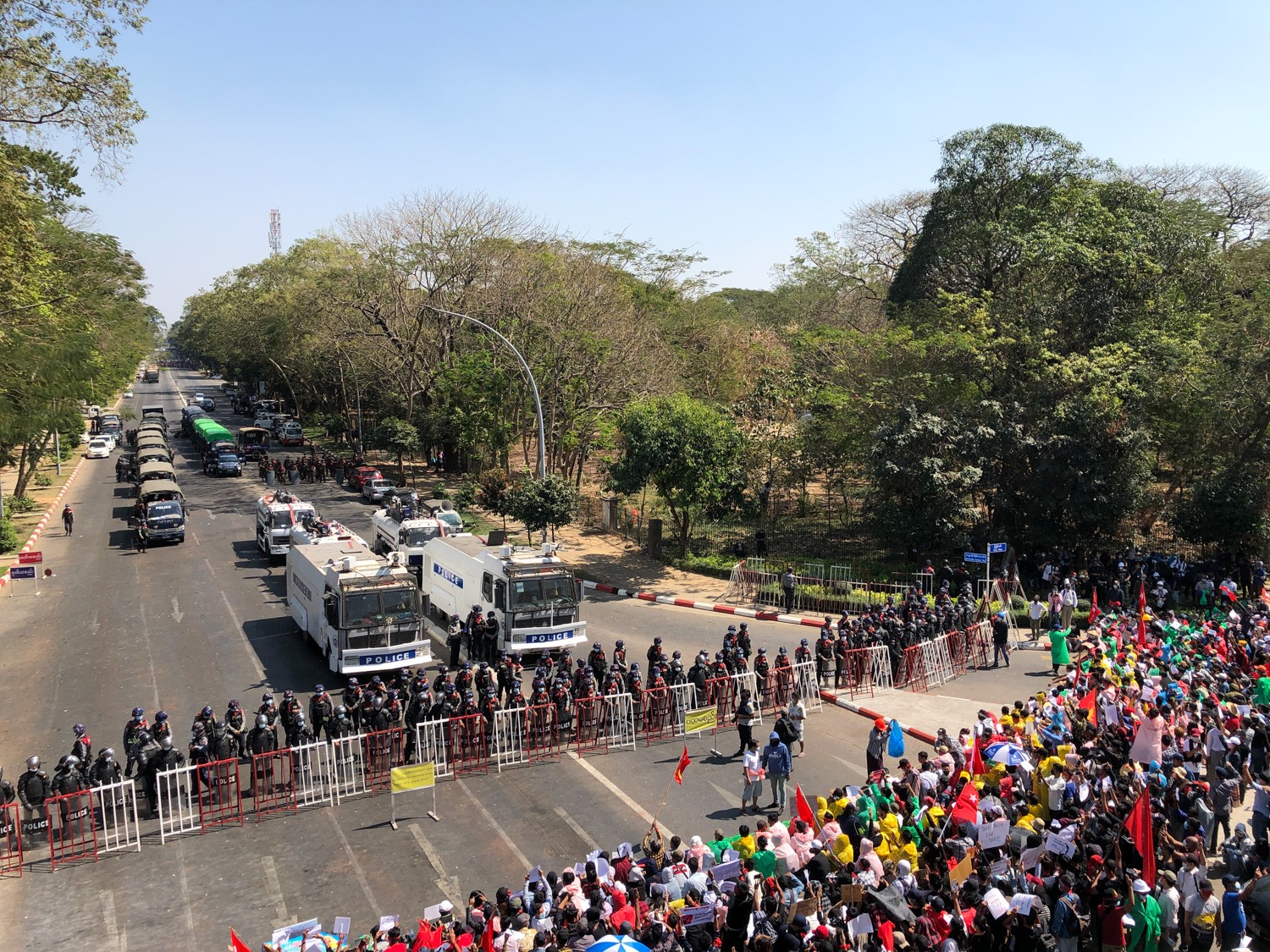
In Myanmar, the civil war intensified during the review period. Ethnic and democratic armed forces captured strategic territories, including regional command headquarters in Shan and Rakhine States. The State Administration Council has lost territorial control in large parts of the country, and its monopoly on the use of force is contested. The junta extended the state of emergency several times and postponed the elections announced since the 2021 coup. Conscription for men and women triggered widespread fear and displacement, while international observers report unlawful killings, arbitrary detentions and war crimes. Political rights remain suspended, and the number of political prisoners is high.
With more than half of all 330 townships affected by active conflict, Myanmar faces a severe economic crisis. Supply chains and border trade collapsed, domestic demand fell, and inflation increased prices for essential goods. Poverty has risen sharply.
Governance is marked by ongoing fighting and systemic economic mismanagement. The junta’s (State Administration Council) monetary measures accelerated inflation. The National Unity Government (NUG), ethnic armed organizations and other groups work to implement a Federal Democracy Charter, but limited territorial control and exile hinder progress.