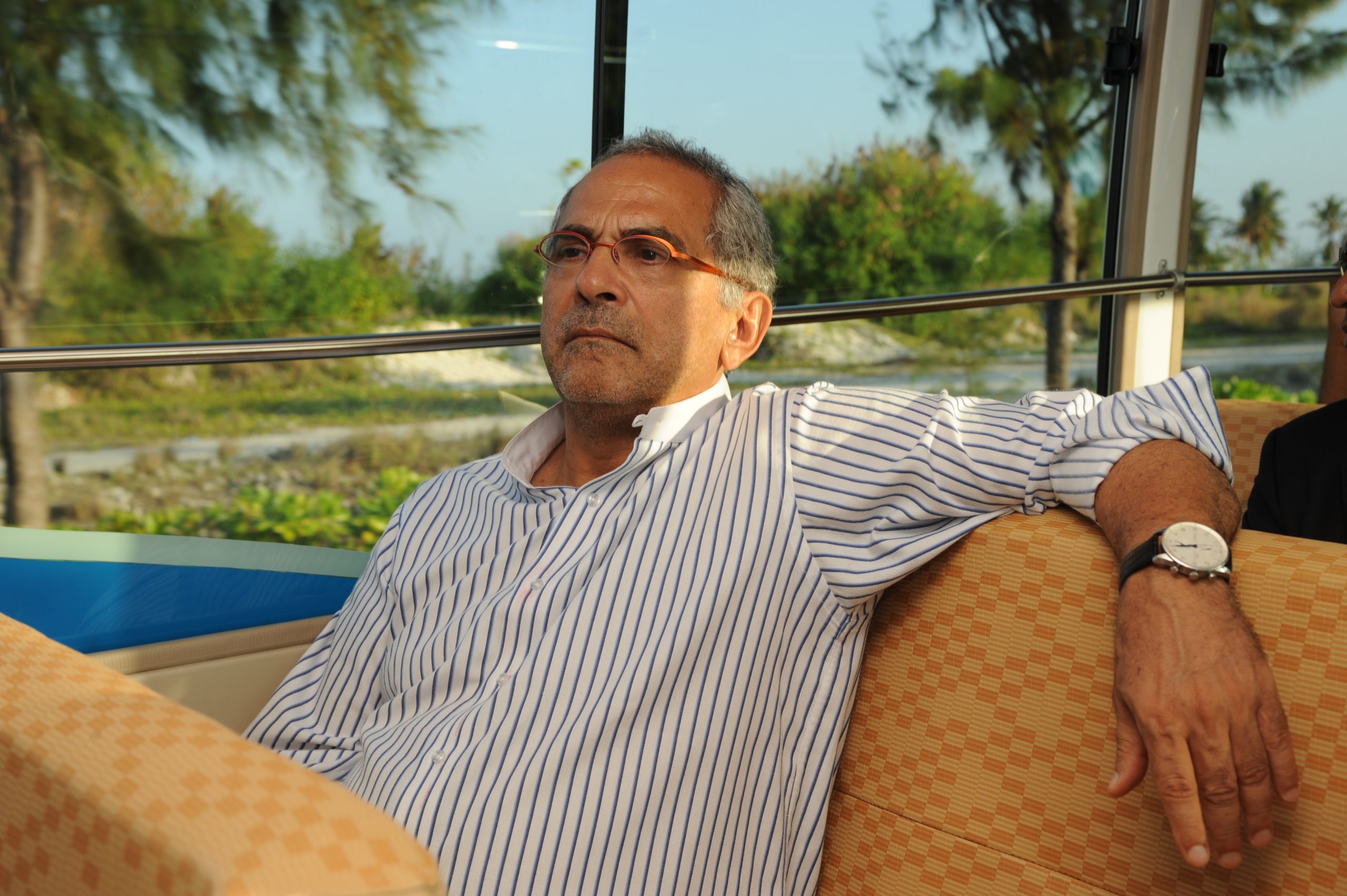
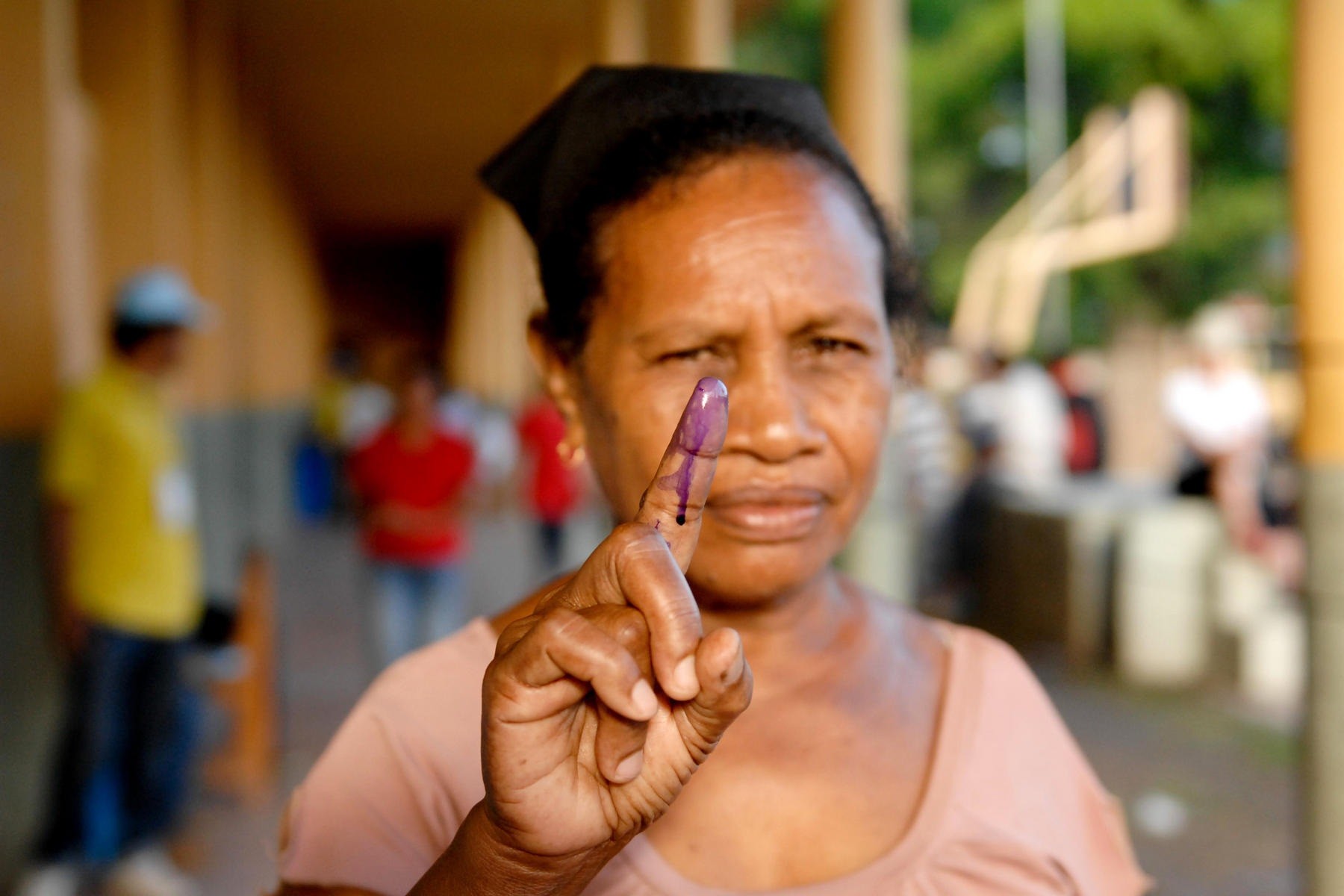
Timor-Leste strengthened its democracy by holding parliamentary elections with a high voter turnout of 79% and organizing elections in hundreds of local communities. The political movement led by former resistance leader Xanana Gusmão won the 2023 election and formed a coalition government. Since then, democratic institutions have functioned effectively: parliament approved the government’s five-year program and adopted the national budgets for 2024 and 2025 on schedule.
The economy remains heavily dependent on the state’s Petroleum Fund, which finances more than 80% of public spending and could be exhausted within about ten years. Economic growth slowed in 2023 due to lower government spending and weak private sector activity. Higher import prices caused a temporary rise in food costs and the reliance on imports has contributed to a growing trade deficit.
Although the government recognizes financial risks, it has not shifted investment toward economic diversification, and funding for productive sectors has stayed unchanged. Policies are intended to support local businesses and fair competition, but major structural barriers continue to limit progress. Internationally, Timor-Leste joined the WTO in 2024 and continues to work toward becoming a member of the regional association ASEAN.