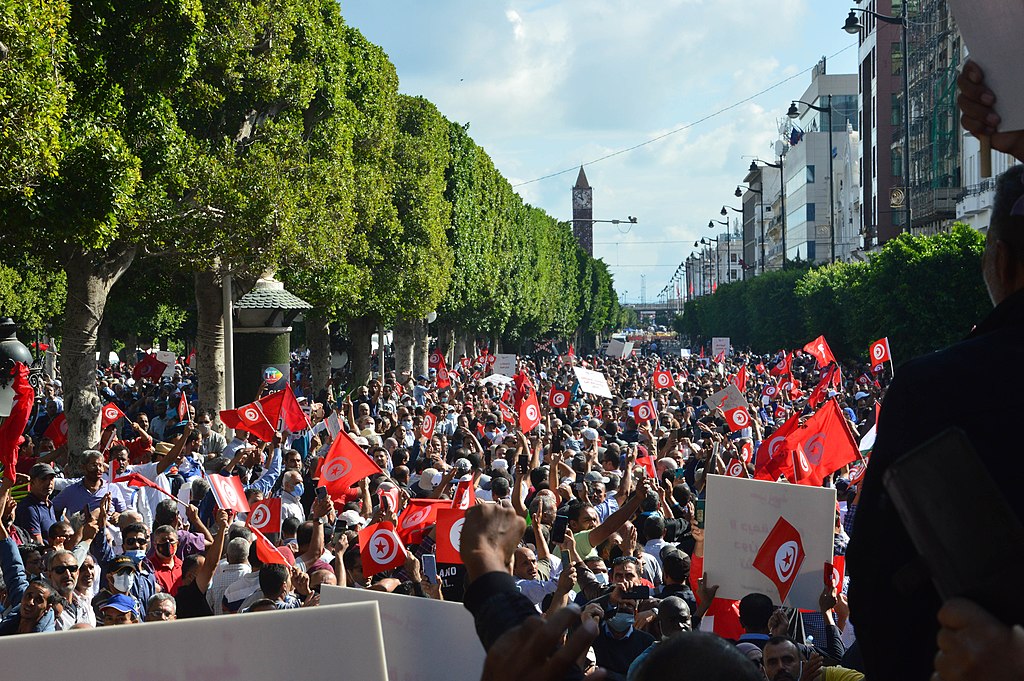
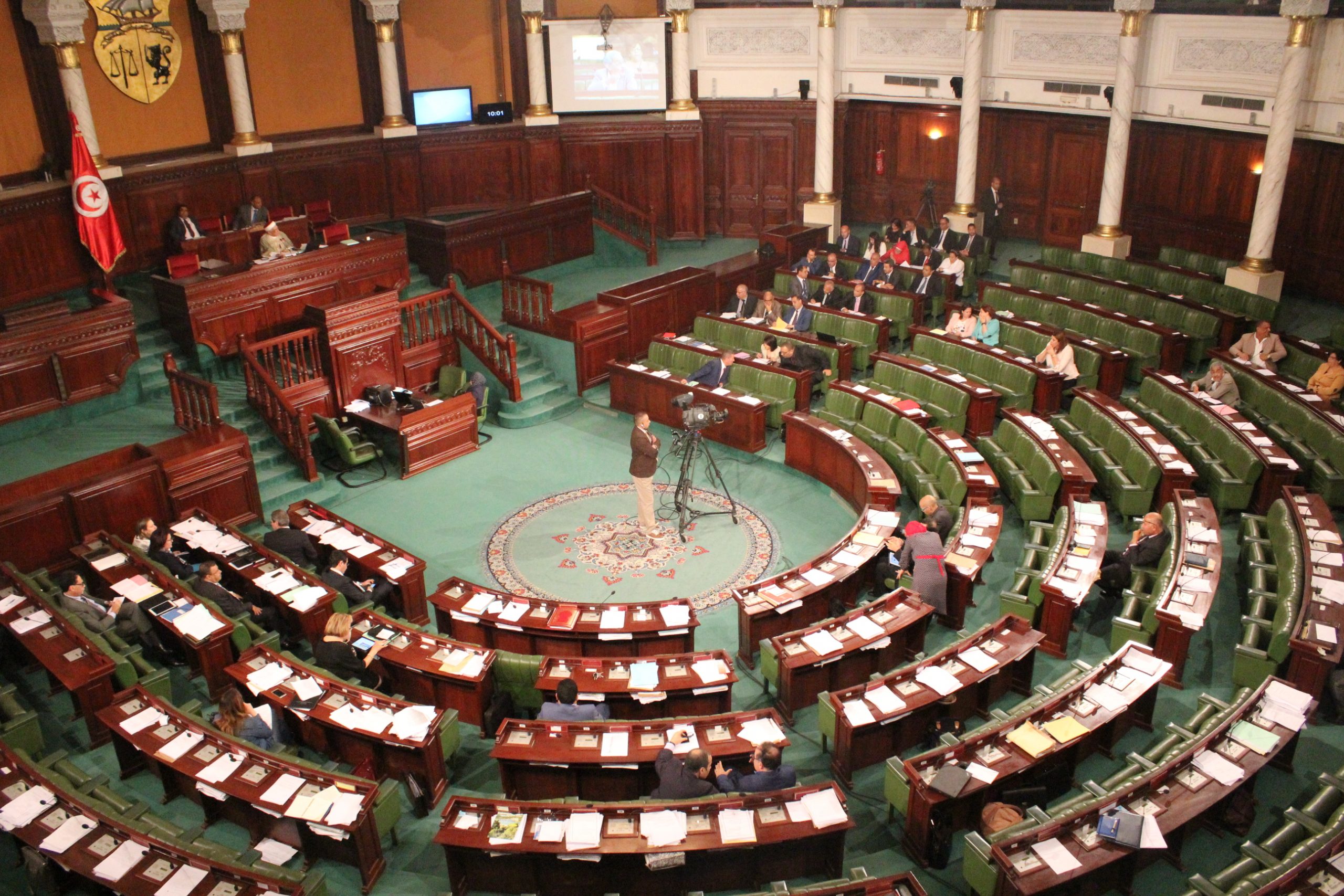
In Tunisia, President Kais Saied further consolidated his personalist rule, completing the institutionalization of regime change initiated in 2021. Local elections were held after the dissolution of elected councils and were marked by an opposition boycott and extremely low turnout. The presidential election featured the exclusion of opposition figures, widespread repression and multiple arrests, resulting in the president’s re-election under highly restrictive conditions. Civil liberties, judicial independence and media freedom continued to deteriorate.
The economy remained strained, with slow growth, high inflation and record public debt. Negotiations with the International Monetary Fund were suspended, and legislation was amended to allow direct state financing by the central bank. Although some macroeconomic indicators improved in 2024, structural weaknesses persisted.
Governance remained poor due to high administrative turnover, inconsistent policy decisions and weakened checks and balances. International cooperation was undermined by President Saied’s campaign against migrants, prompting criticism from regional and global partners. Tunisia sought support from Gulf states while the European Union prioritized migration control in security cooperation.