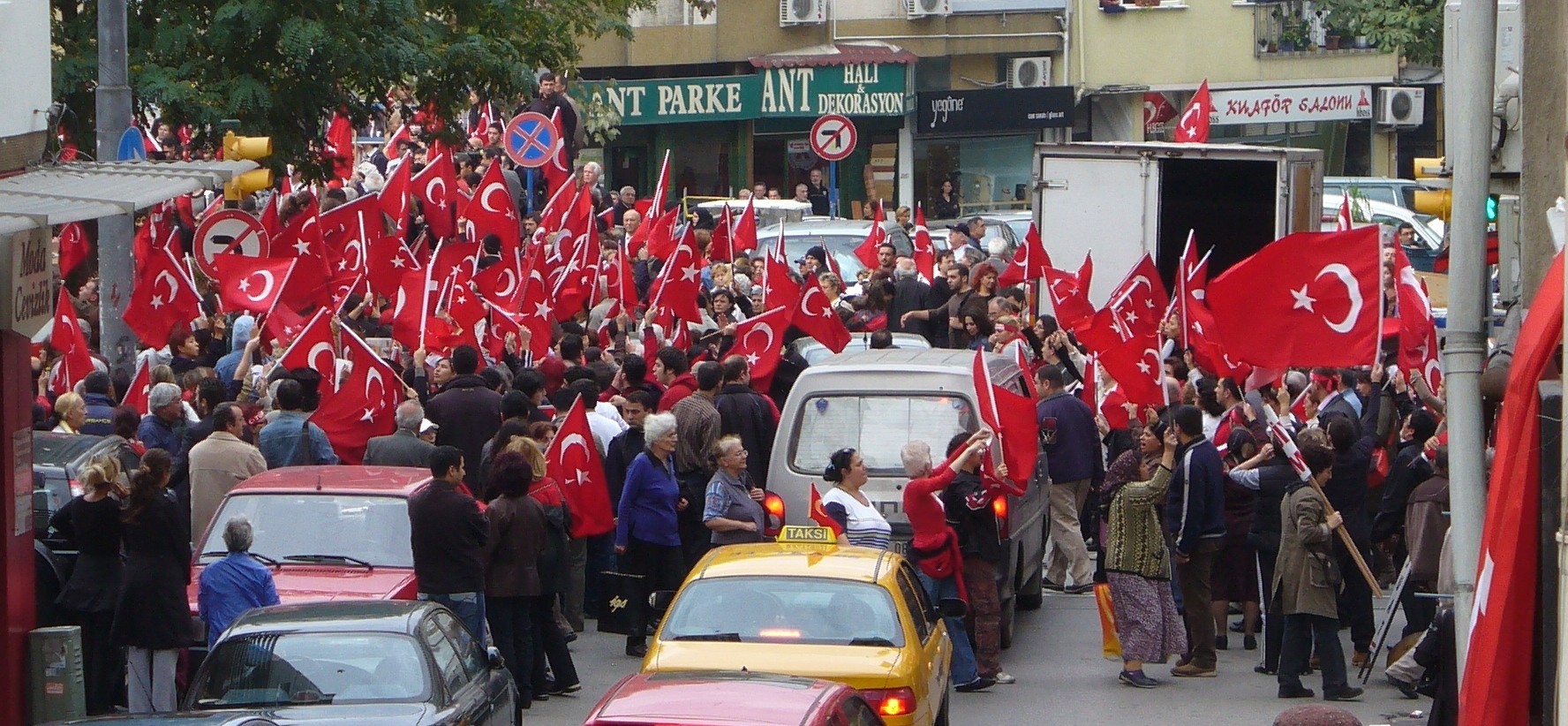
Türkiye saw a further consolidation of executive power, despite formally competitive elections. The 2023 presidential and parliamentary elections were the most competitive of the past two decades, yet they were shaped by the extensive use of state resources, election-driven spending and significant government influence over institutions and media. Legal pressure on opposition figures persisted, and the arrests of numerous elected mayors following the opposition’s strong 2024 local election performance highlighted the limits of political pluralism. A highly centralized presidential system and declining judicial independence further constrain democratic governance.
The economy remained under severe strain due to persistent inflation, currency depreciation and heavy pre-election spending. Post-election monetary tightening deepened the cost-of-living crisis, while structural weaknesses, corruption and external debt dependence hinder economic recovery. The 2023 earthquake exposed significant shortcomings in planning and regulatory oversight.
Governance challenges persist. A new Kurdish dialogue process primarily appears to be a political instrument. Improved relations with Gulf states created economic opportunities, while regional dynamics following developments in Syria and the Middle East reinforce Türkiye’s cautious and pragmatic foreign policy.