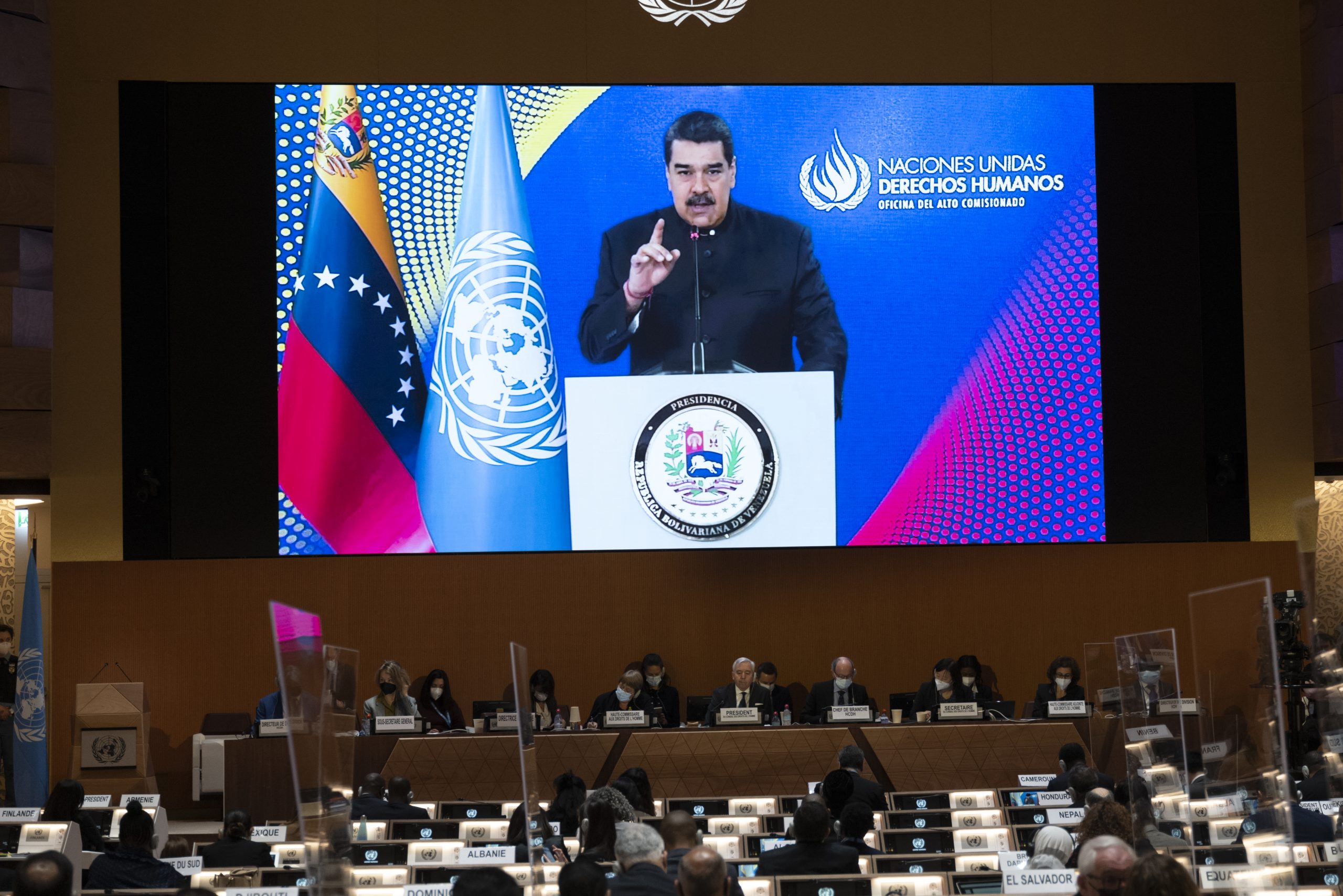
Venezuela’s autocratic system has further entrenched itself, with no separation of powers, no judicial independence and severe restrictions on fundamental freedoms. During the presidential elections, the government banned opposition leader María Corina Machado and persecuted the unity candidate Edmundo González Urrutia. Electoral conditions fell far below democratic standards, and tallies from most polling stations indicated an opposition victory. Despite this, Nicolás Maduro was sworn in for a new term, and post-election protests were violently repressed.
The economy returned to growth, but Venezuela remains a petrostate in structural decline. Rising emigration and severe brain drain underscore the magnitude of the crisis. A cautious shift from socialist ideology to liberal pragmatism has stabilized inflation through spending caps, deregulation, restrictive monetary policy and de facto dollarization. Yet poverty and inequality remain widespread, and living conditions have not improved, leaving the population’s hardships largely unaddressed.
International legitimacy declined, especially with Brazil and Colombia, while internal power struggles strengthened hard-line factions. State capacity remains severely weakened, and essential services function only partially.