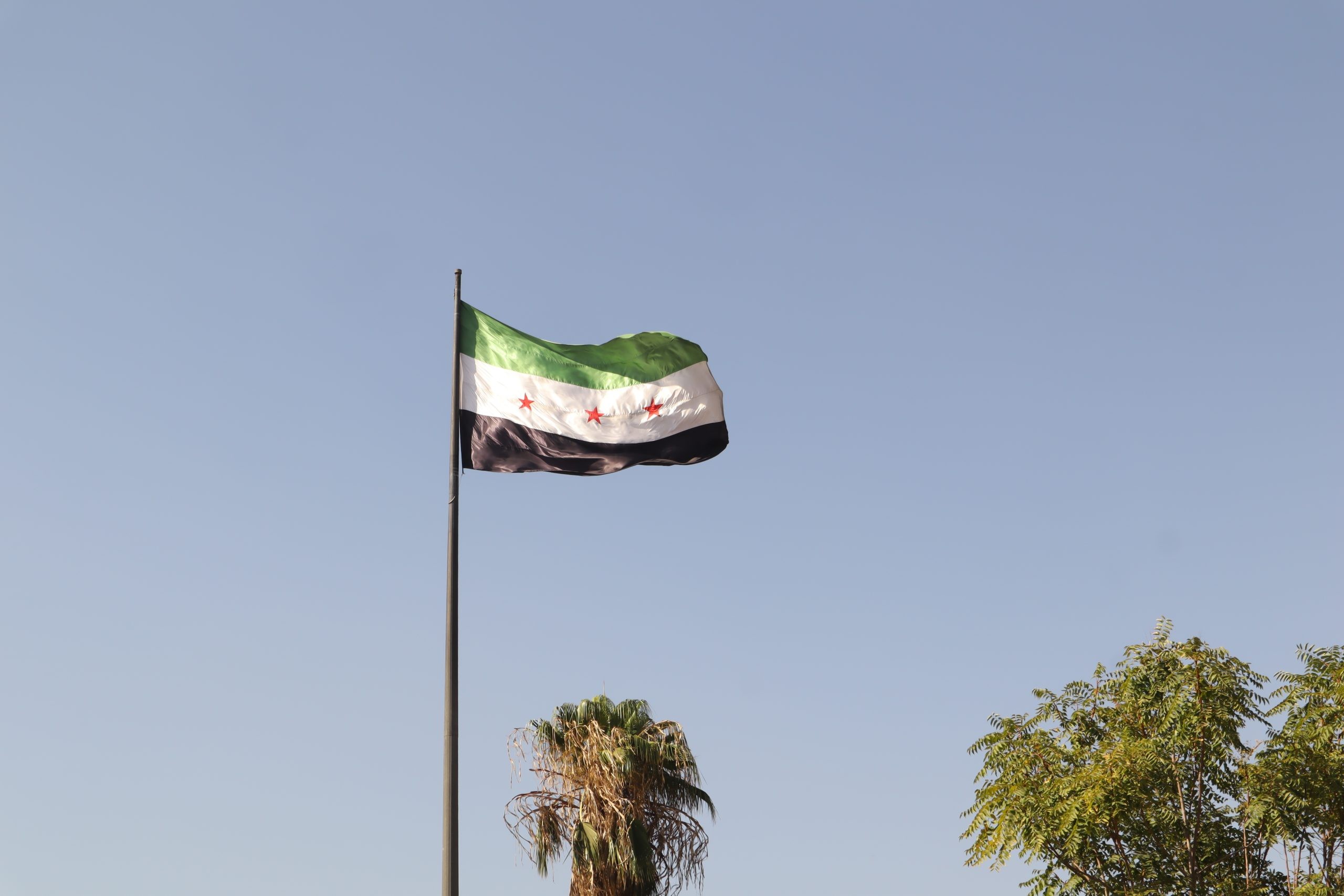
Political transformation in the region remains marked by fragility and authoritarian consolidation. In Sudan, the conflict between the Sudanese Armed Forces and the paramilitary Rapid Support Forces took a catastrophic human toll. More than 50,000 people have been killed and over 14 million displaced since fighting erupted in April 2023, and millions more now face the threat of famine. From Kuwait’s authoritarian turn and Tunisia’s 2024 sham-elections that effectively ended the country’s democratic experiment to Algeria’s return to pre–Arab Spring conditions, the region has seen further political regression. By contrast, the collapse of the decades-old Baath regime in Syria provided for limited political openings, while Iraq’s improved security situation has brought relative stabilization.
The region’s socioeconomic landscape remains shaped by deep inequality and precarious living conditions. Only Qatar and the UAE provide relatively robust economic systems with broader social safety nets, while the vast majority of the regional population lives under weak or rudimentary arrangements. Inflation and currency crises have reached dramatic proportions in Egypt and are increasingly weighing in on Iran and Tunisia.
Governance across the region is undermined by an authoritarian concentration of power, corruption and weak administrative capacity, with recent declines in Morocco and Tunisia. In Turkey, the devastating 2023 earthquake laid bare the consequences of cronyism and regulatory neglect. At the same time, Saudi Arabia is consolidating its position as a regional power and expanding its international influence. While domestic hard-liners continue to govern with an iron grip across the region, many governments are showing unexpected flexibility abroad, increasingly prioritizing pragmatic cost-benefit calculations over rigid ideological positions, as seen in cooperation with Israel despite the war in the Gaza Strip.
Jan Claudius Völkel
Regional Coordinator Middle East and North Africa