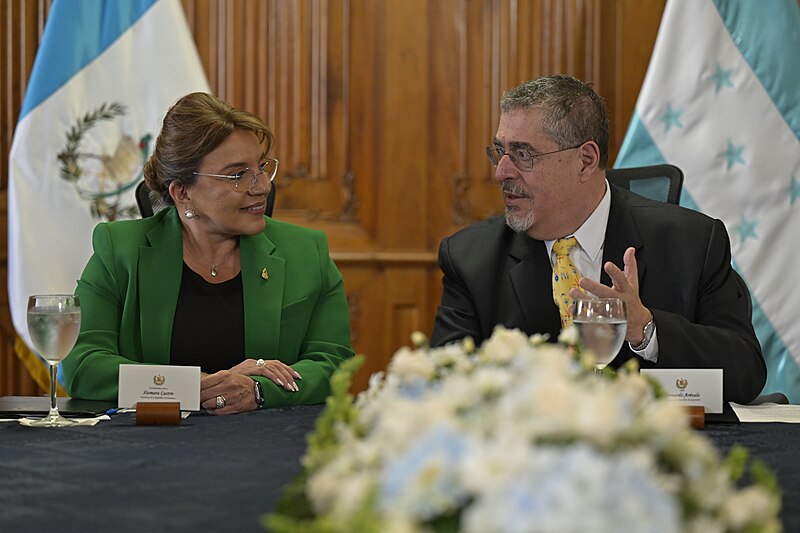
Following President Xiomara Castro’s initial calls for dialogue in 2022, Honduras soon experienced growing political polarization and gridlock. The governing coalition fragmented, leaving the administration dependent on ad hoc congressional alliances. The judiciary has become increasingly politicized, and judicial appointments are used to advance partisan goals. Allegations of political persecution and executive overreach have undermined confidence in democratic institutions.
Despite persistent inequality and structural weaknesses, Honduras has maintained relative macroeconomic stability, with moderate growth and declining inflation. Diplomatic ties with China have opened new economic opportunities, though negotiations on a free-trade agreement have progressed slowly, yielding limited tangible results so far.
Corruption and links to organized crime continue to weaken the state. Promised anti-corruption reforms remain stalled, and the government has been implicated in several scandals. Tensions with the United States over the extradition treaty briefly escalated before the agreement was extended through 2025. Although violent crime has declined, this came at the cost of curtailed civil rights, and state capacity in education and health remains weak.