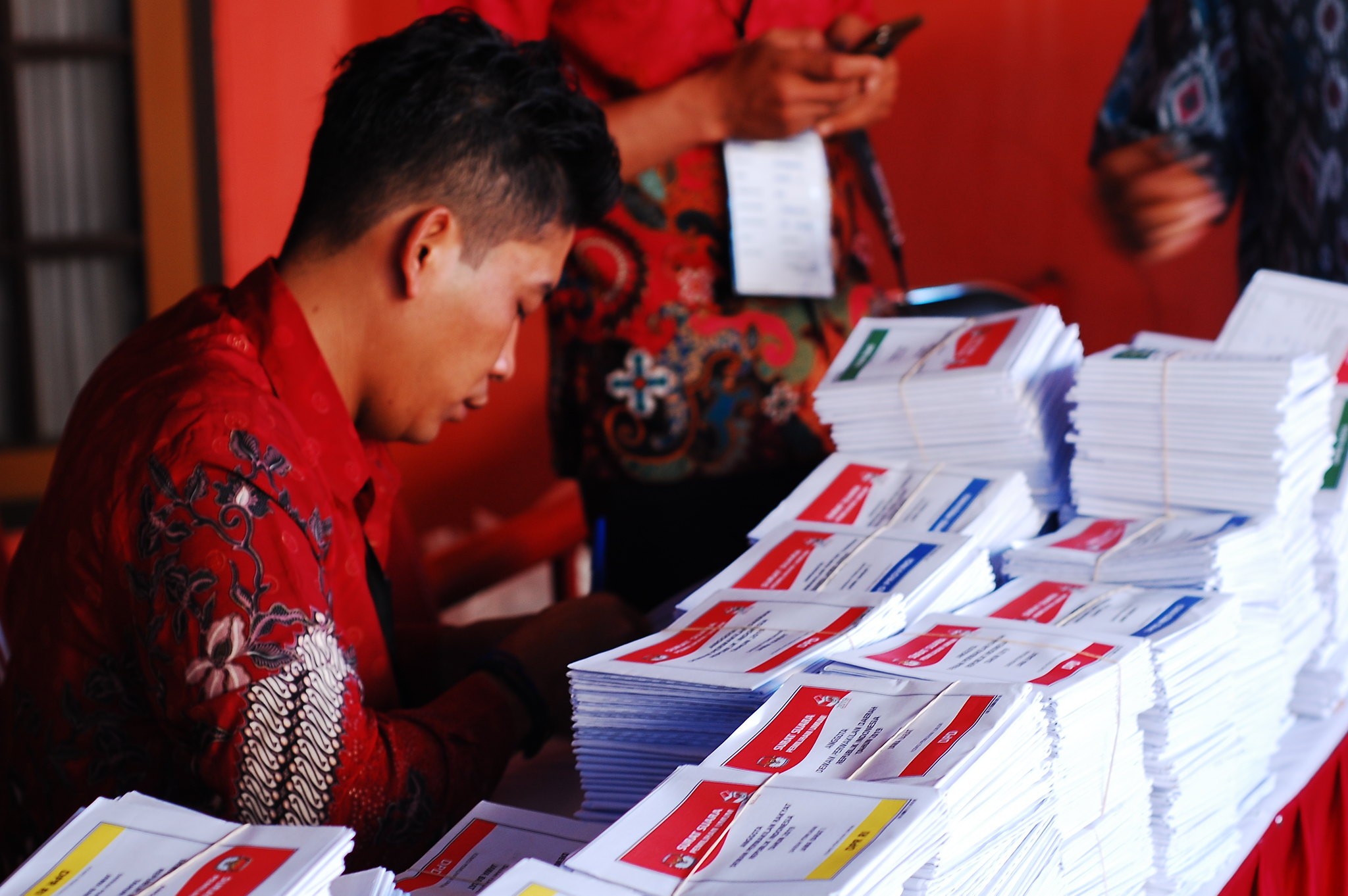
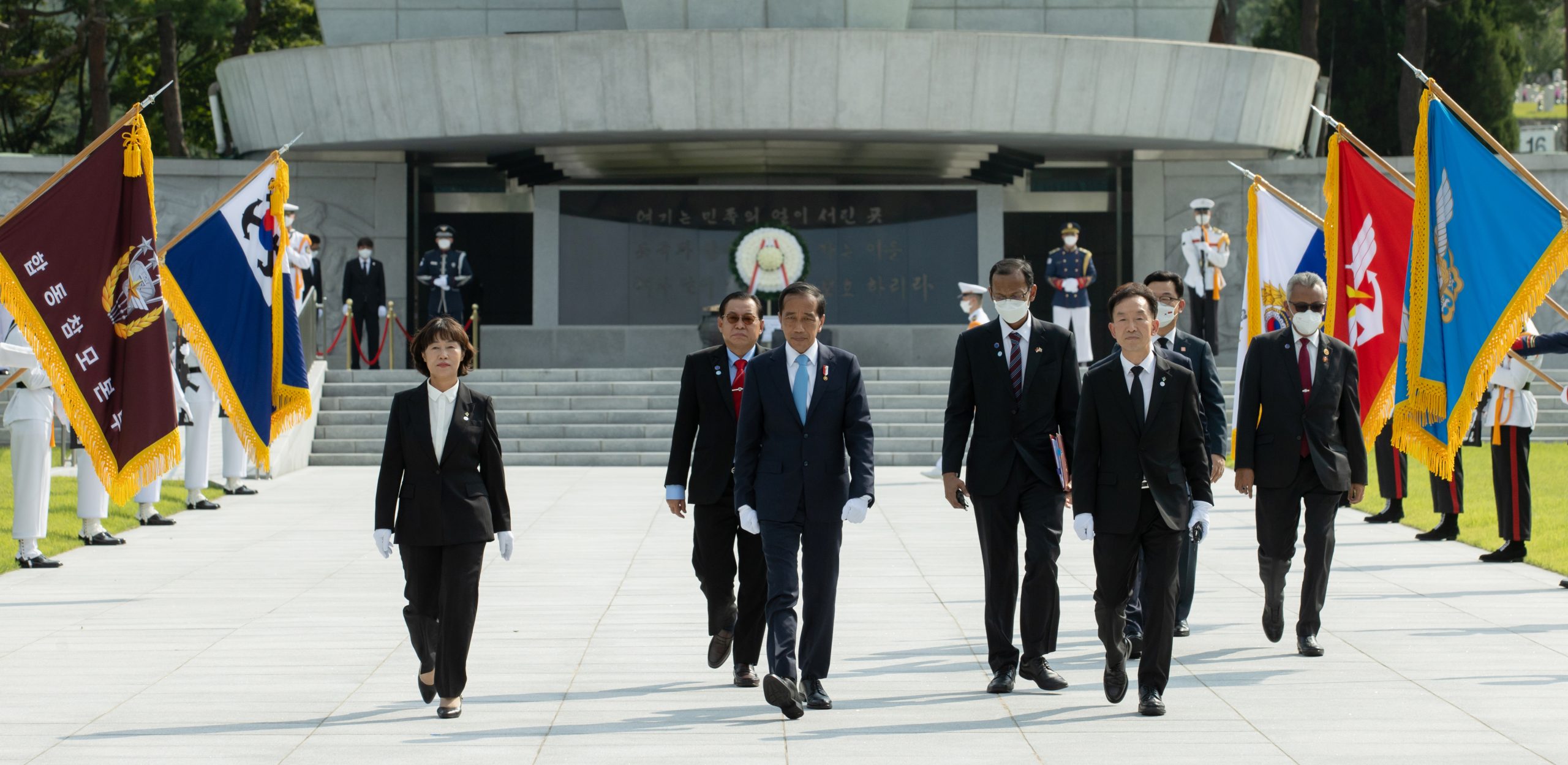
In Indonesia, democratic standards declined significantly. The 2024 presidential election was widely viewed as the least fair since 1998, as state resources were used to benefit the campaign of Prabowo Subianto and his running mate, the son of former president Joko Widodo. Political efforts by Joko Widodo to establish a family-based succession – supported by controversial court decisions – weakened democratic institutions. Seven of the eight parties in parliament support the government in exchange for cabinet positions, while fast-tracked lawmaking has reduced space for civil society. Under President Prabowo Subianto, the military is gaining renewed political influence.
Economic growth returned to around 5%, driven by strong commodity exports to China and India. The government launched a downstreaming strategy to produce high value goods from raw materials to increase domestic value creation. However, the effort requires greater investment in infrastructure and good governance to succeed. Structural weaknesses persist, including inadequate education, weak environmental protection and widespread corruption.
Political polarization declined, and radical Islamist movements were largely absent from public discourse. Relative stability supported socioeconomic reforms, notably the expansion of public health insurance. However, weakened democratic institutions and limited civic space reduce accountability.