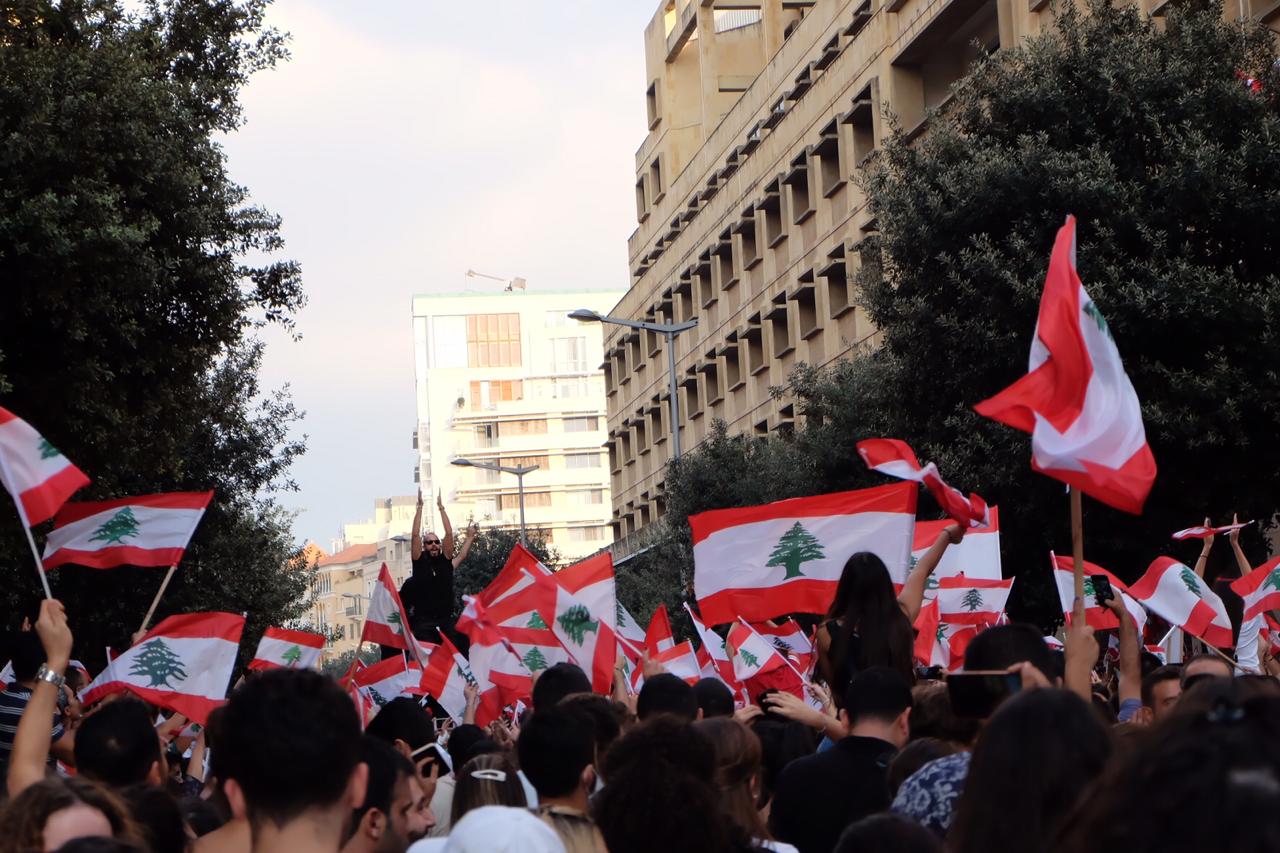
Lebanon remained in a prolonged political vacuum as parliament repeatedly failed to elect a president due to persistent deadlock between Hezbollah and its allies and opposing blocs. The caretaker government operated with constitutionally limited authority, constraining executive action while the Israel–Hezbollah war intensified pressures on state institutions. A degree of stability returned when Joseph Aoun was elected president in January 2025.
Economic conditions showed only marginal improvement. Inflation declined significantly, yet export volumes fell across all sectors. Agricultural land was damaged by conflict and supply chains were disrupted by destroyed infrastructure and reduced port activity. Unemployment remained very high, and the collapse of credit markets left families and businesses without access to capital, deepening socioeconomic hardship.
Governance was severely hindered by political paralysis and the destructive impact of the war. The caretaker system, shaped by earlier political decisions, reduced accountability and limited institutional capacity. Massive infrastructure losses strained state resources, while the new government faces the challenge of advancing reforms needed to secure international assistance and stabilize bilateral relations.