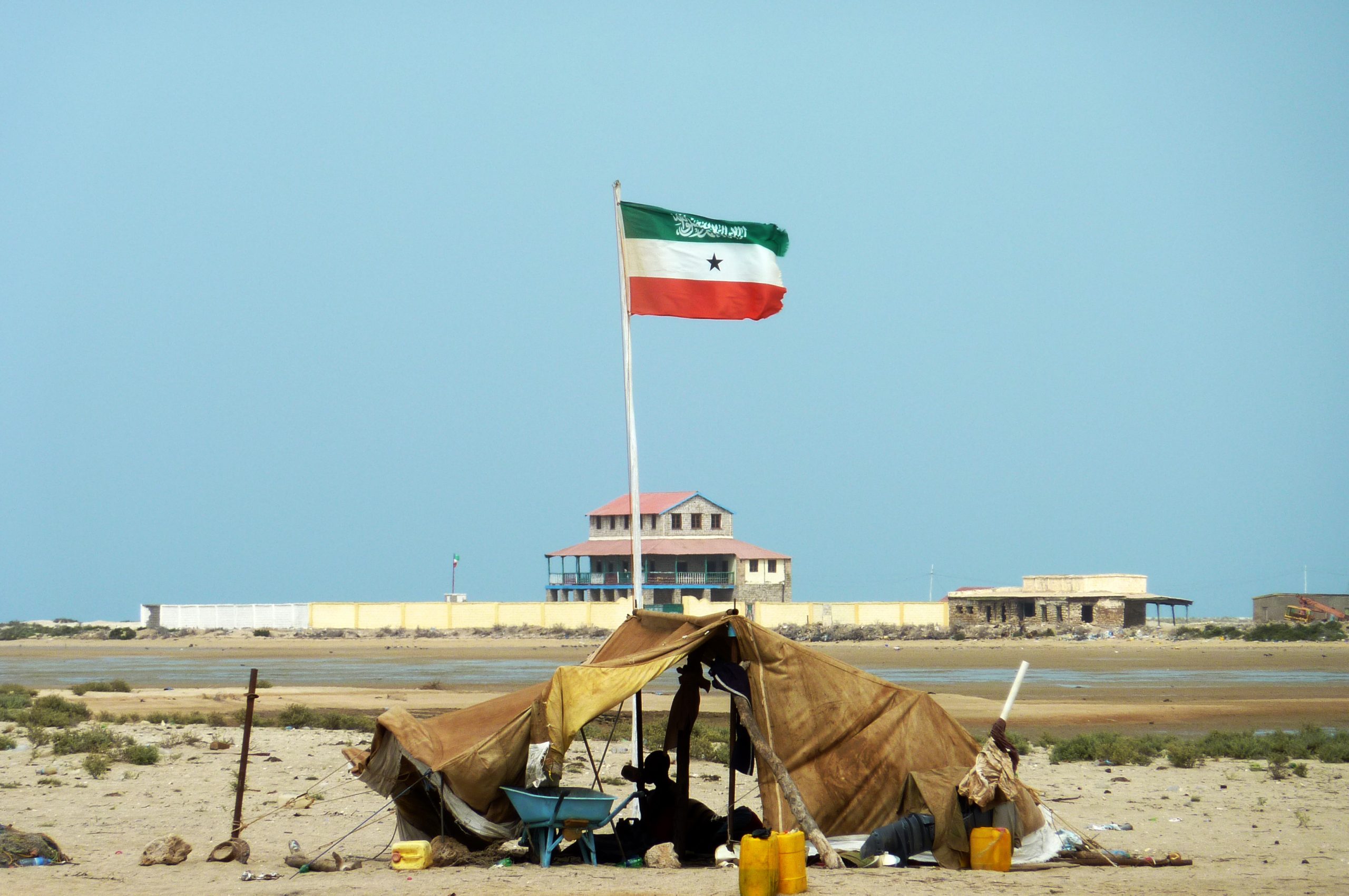
Somalia’s political transformation remains marked by deep federal fragmentation and persistent insecurity. A contested constitutional review triggered Puntland’s withdrawal from the federation, while elections in Puntland and Jubaland intensified tensions with the Federal Government of Somalia. Attempts by the federal authorities to assert control over Jubaland through military means failed, underscoring unresolved disputes over constitutional authority, power-sharing, and resource distribution.
Economic conditions showed modest improvement following the end of the prolonged drought, but floods, ecological vulnerability, and widespread poverty continue to constrain development. Somalia’s completion of an initiative enabled debt relief and renewed access to international financial institutions improved fiscal prospects.
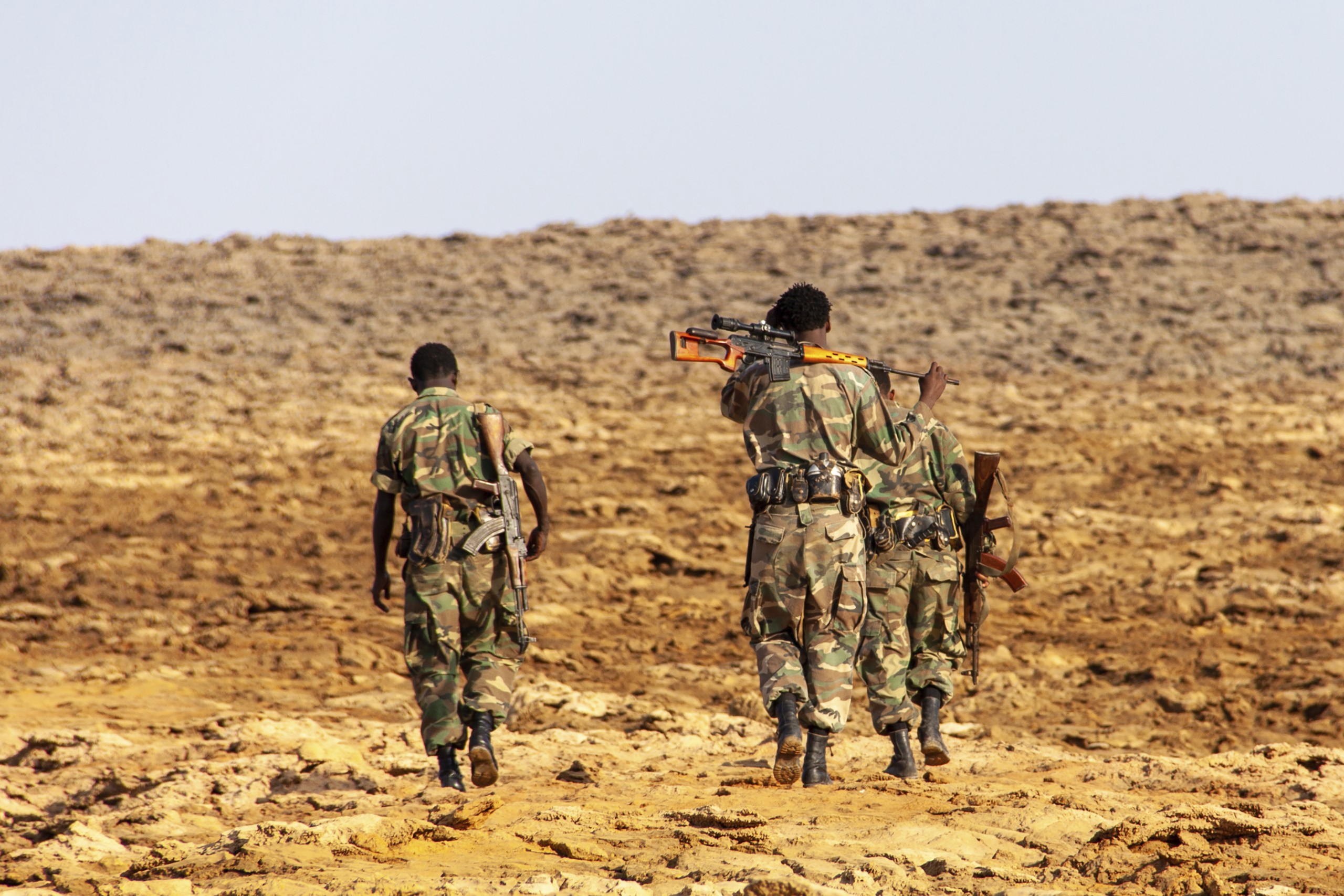
Ongoing instability has strengthened Harakat al-Shabaab al-Mujahideen, which continues to carry out regular attacks and controls large rural areas. A stalled counterinsurgency strategy and the arming of clan militias have altered local power balances and fueled violent clashes. The gradual withdrawal of African Union forces and uncertainty surrounding the successor mission have further complicated security governance.