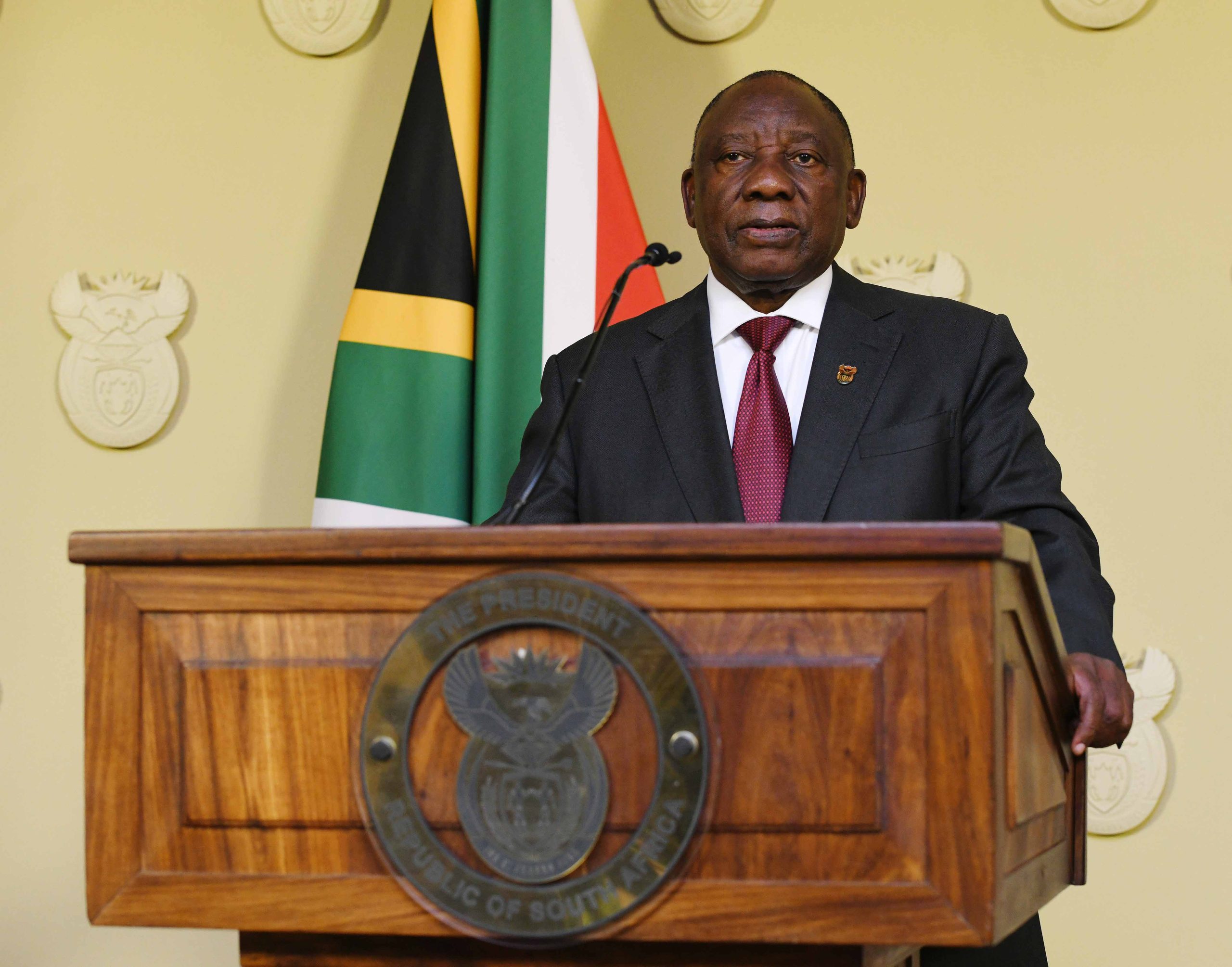
South Africa’s political transformation has entered a new phase following the 2024 general elections, which ended the African National Congress’ (ANC) long-standing electoral dominance. The resulting government of national unity (GNU), led by the ANC and comprising ten parties, has introduced greater political competition and oversight, but remains fragile. Internal tensions persist, while populist parties with weak commitment to constitutional democracy continue to pose risks to institutional stability.
Economic transformation remains constrained by structurally entrenched poverty, inequality and unemployment. Repeated policy discontinuity has undermined inclusive growth, despite earlier successes in macroeconomic management and social protection. Rising public debt, a narrow tax base and the mismanagement of state-owned enterprises have weakened fiscal sustainability and limited investment in critical infrastructure.
Governance has been shaped by prolonged political fragmentation and declining resource efficiency. The new coalition offers opportunities for improved coordination and consensus-building, but operates under severe fiscal constraints. At the international level, geopolitical shifts are prompting a reassessment of South Africa’s foreign policy orientation within a Global South–focused framework.